



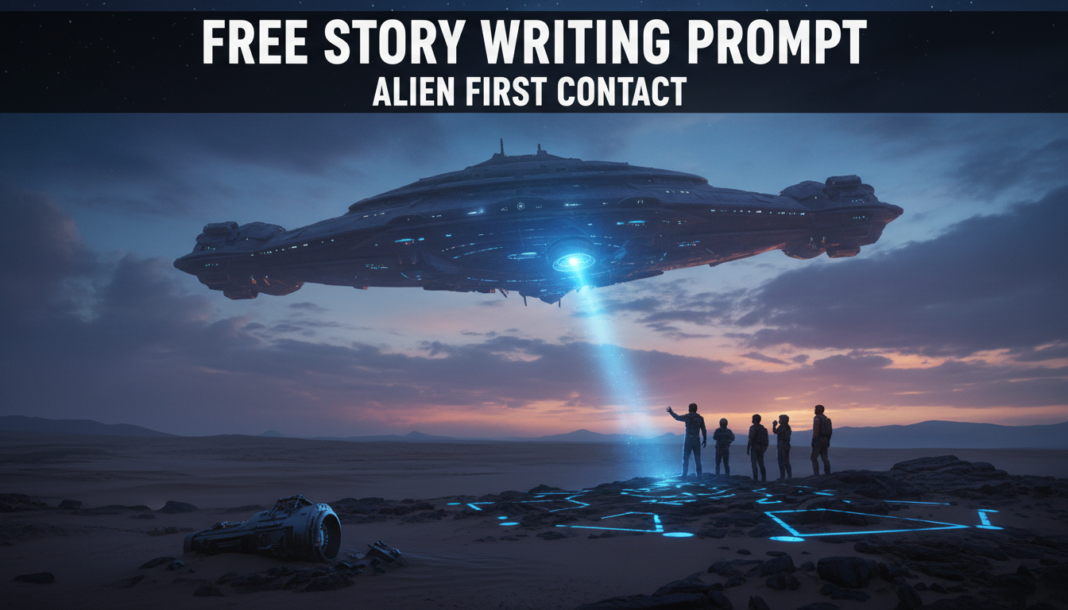
01. The Art of Narrative Architecture
The concept of “Alien First Contact” is a narrative goldmine, offering an unparalleled opportunity to explore the depths of human nature against a backdrop of cosmic wonder and existential dread. To build tension effectively, authors must lean into the unknown, leveraging human psychology’s inherent fear of what cannot be understood or controlled. Begin with subtle anomalies: strange energy readings, celestial phenomena, or cryptic signals, rather than an immediate, overt invasion. This slow burn allows for the gradual erosion of familiarity, creating a sense of unease that permeates every aspect of the characters’ lives. As the contact becomes undeniable, the tension escalates from existential mystery to immediate threat or profound opportunity.
Character arcs are paramount in a first contact story. The protagonist should not merely react but evolve through the encounter. Consider a scientist whose rational worldview crumbles as they face an intelligence beyond human comprehension, or a military leader forced to reconsider aggression in the face of an alien race that demonstrates unexpected empathy. Internal conflict, the cornerstone of compelling character development, can manifest as a struggle between fear and curiosity, xenophobia and understanding, or personal safety versus the fate of humanity. These internal battles mirror the external tension, making the reader invested in both the character's survival and their moral journey. Show, don't tell, these transformations. Instead of stating "she was afraid," describe her racing pulse, clammy hands, and the way her gaze darted wildly at every shadow cast by the alien vessel.
World-building in "Alien First Contact" extends beyond Earth. It involves meticulously crafting the alien species, their biology, culture, communication methods, and motivations. Are they benevolent explorers, desperate refugees, or conquering invaders? Their intentions must remain ambiguous initially to sustain tension. How does humanity react? Are governments unified or fractured? Do religious groups see them as gods or demons? These societal reactions are crucial and should be woven into the fabric of the story, not simply stated. The setting—whether a bustling metropolis thrown into chaos, a remote research facility on high alert, or a desolate alien landscape—should reflect and amplify the emotional state of the characters and the overall narrative. Use sensory details to immerse the reader: the hum of alien technology, the strange scent of an otherworldly atmosphere, the chilling silence of an unknown signal. The narrative's core theme, perhaps the fragility of peace, the nature of intelligence, or the definition of humanity, should be subtly echoed in the characters' choices, the unfolding plot, and the very design of the alien species, culminating in a resolution that challenges, rather than simply answers, humanity's place in the cosmos.
02. Story Metadata Specs
| Core Theme | Story Writing Prompt For Alien First Contact (Narrative Driven) |
| Pacing Style | Slow-Burn / High-Octane Transition |
| Emotional Anchor | Catharsis & Resolution |
03. The AI Author Toolkit
V1 • The Hero’s Journey Arc
“Act as an award-winning novelist. Write a story about Story Writing Prompt For Alien First Contact following the Hero’s Journey framework. Focus on the internal conflict of the protagonist, a vivid description of the setting, and a climactic resolution that ties back to the core theme. Use descriptive, sensory language.”
V2 • Suspense & Noir Thriller
“Create a high-tension suspense story involving Story Writing Prompt For Alien First Contact. Use short, punchy sentences to increase the pace. Start with a mysterious hook and include a major plot twist at the 75% mark. Maintain a dark, atmospheric tone throughout the narrative.”
V3 • Emotional Flash Fiction
“Write a 500-word emotional flash fiction piece centered around Story Writing Prompt For Alien First Contact. Focus on a single poignant moment between two characters. The dialogue should be subtle but heavy with subtext. End with a bittersweet realization that leaves the reader reflecting.”
04. Implementation & Genres
The versatility of an “Alien First Contact” prompt allows it to be molded into virtually any genre, profoundly impacting its reach and thematic depth. In a **hard science fiction** context, the focus would be on scientific accuracy, the intricate details of xenolinguistics, orbital mechanics, and the biological challenges of interspecies interaction. This often appeals to a niche audience seeking intellectual rigor and detailed exploration, ideal for comprehensive e-books or serialized academic-style blog posts that dive deep into theoretical concepts. Conversely, a **thriller** or **horror** approach would emphasize suspense, paranoia, and existential dread, where the aliens are either hostile or utterly incomprehensible. Short, intense chapters suitable for social media series or Wattpad narratives could capitalize on cliffhangers, building a rapid-engagement fanbase.
For a **drama** or **literary fiction** take, the aliens serve as a mirror, reflecting humanity's flaws and virtues. The narrative would prioritize character relationships, moral dilemmas, and the emotional toll of profound change. This nuanced approach lends itself well to traditional novels or multi-part articles exploring philosophical questions, fostering a loyal readership invested in character journeys. A **comedy** or **satire** genre could subvert expectations, using first contact to poke fun at human bureaucracy, cultural misunderstandings, or our collective hubris, perfect for lighthearted blog posts or short, viral episodic content.
Regardless of genre, the "Alien First Contact" narrative can be segmented and delivered across various platforms to maximize audience engagement. A blog series might serialize the contact event from multiple perspectives, allowing readers to theorize and interact in comments. An e-book could offer a complete, immersive experience, detailing the historical and sociological impacts. Social media platforms thrive on short, impactful snippets—perhaps "alien sightings" or decrypted messages—creating a grassroots mystery that builds anticipation for a larger narrative. By understanding the specific impacts of genre and tailoring content delivery, authors can cultivate a dedicated fanbase eager to explore the unknown.
Sample Opening Scene (Simulated)
Dr. Aris Thorne traced the faint, rhythmic pulse on his monitor, his breath catching in his throat. The flickering green line wasn’t static; it was a pattern, impossible and undeniable. Outside his small, remote observatory, the Chilean desert night was a velvet cloak studded with indifferent diamonds, but the universe had just winked back. A tremor of both terror and elation shivered through him. For decades, he’d chased ghosts in the cosmic noise, fueled by a singular, aching belief. Now, the ghost was knocking. His hand, usually steady, trembled as he reached for the comms, a profound internal conflict raging: the scientific mandate to share, versus the primal urge to hoard this impossible secret, to understand it first, alone.