


01. The Art of Narrative Architecture
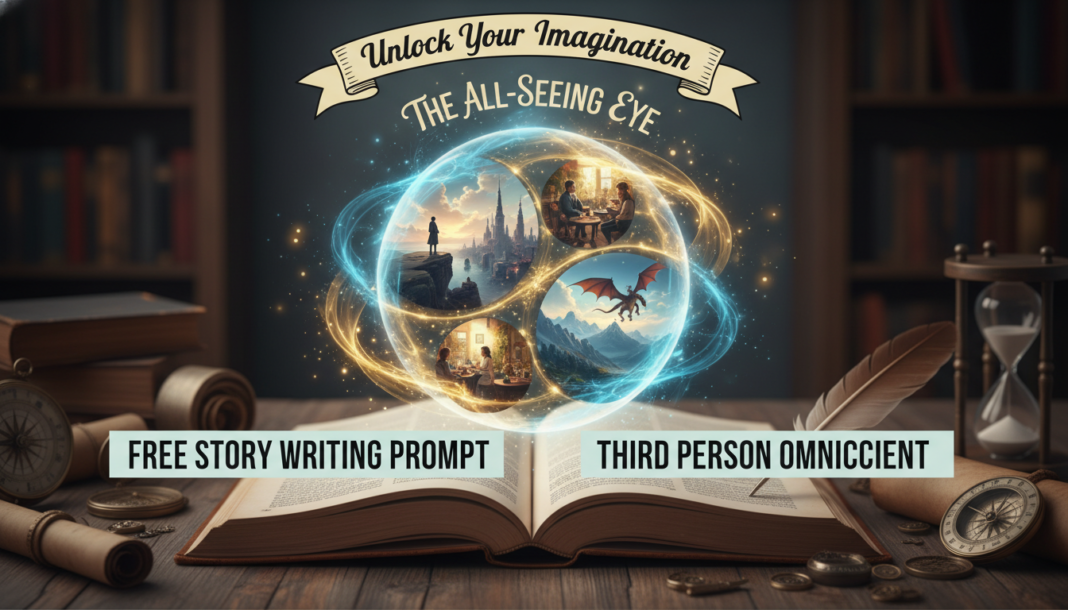
The third-person omniscient perspective, often revered as the ‘god-like’ view, grants the storyteller unparalleled access to every character’s thoughts, feelings, and the intricate workings of the world. This panoramic vision is not merely a tool for exposition; it is the very loom upon which complex narratives are woven, allowing for a profound exploration of human psychology and thematic depth. To effectively wield this powerful perspective, one must understand how it builds tension and crafts compelling character arcs.
**Building Tension with Omniscience:** Unlike limited perspectives, omniscient narration can create tension not just through what a character knows or experiences, but through what the *reader* knows that the *character does not*. This dramatic irony is a cornerstone of suspense. The narrator might reveal an impending danger that a protagonist is blissfully unaware of, or disclose a hidden motive of an antagonist that will inevitably collide with the hero’s path. This foresight, coupled with the ability to interweave multiple plot threads, allows the author to orchestrate moments of escalating dread or anticipation. For instance, the narrator could describe the approaching storm while a farmer observes a clear sky, or reveal the true intentions of a seemingly benevolent mentor, sowing seeds of unease in the reader long before the protagonist senses anything amiss.
**Crafting Character Arcs:** An omniscient narrator can delve into the deepest recesses of a character’s mind, exposing their childhood traumas, secret desires, and unspoken fears, even as they present a stoic facade to the world. This full disclosure facilitates nuanced character development. The narrator can show the reader the gap between a character’s outward actions and their internal struggles, making their eventual transformation more profound and believable. When developing character motivations, the omniscient perspective allows for retroactive insight, explaining why a character behaves a certain way by revealing past events or hidden beliefs known only to the narrator. This offers a rich tapestry of psychological complexity, guiding the reader through the subtle shifts in a character’s moral compass or understanding of the world.
**World-Building and “Show, Don’t Tell”:** The omniscient narrator is the ultimate guide, capable of painting expansive landscapes and intricate societies without being confined to a single viewpoint. They can seamlessly transition from the grand sweep of a kingdom’s history to the minute details of a village elder’s morning routine. This comprehensive understanding is crucial for robust world-building. However, the temptation to “tell” everything must be resisted. The strength of omniscient narration lies in its ability to *show* through evocative detail, sensory descriptions, and carefully chosen character interactions, even when revealing internal states. Instead of stating “the king was tyrannical,” the omniscient narrator *shows* the king’s tyranny through the whispered fears of his subjects, the public executions, and the famine that grips the land under his rule. This judicious application of “Show, Don’t Tell” prevents the narrative from becoming a mere lecture, ensuring that the reader remains immersed in the unfolding story.
**Building Tension with Omniscience:** Unlike limited perspectives, omniscient narration can create tension not just through what a character knows or experiences, but through what the *reader* knows that the *character does not*. This dramatic irony is a cornerstone of suspense. The narrator might reveal an impending danger that a protagonist is blissfully unaware of, or disclose a hidden motive of an antagonist that will inevitably collide with the hero’s path. This foresight, coupled with the ability to interweave multiple plot threads, allows the author to orchestrate moments of escalating dread or anticipation. For instance, the narrator could describe the approaching storm while a farmer observes a clear sky, or reveal the true intentions of a seemingly benevolent mentor, sowing seeds of unease in the reader long before the protagonist senses anything amiss.
**Crafting Character Arcs:** An omniscient narrator can delve into the deepest recesses of a character’s mind, exposing their childhood traumas, secret desires, and unspoken fears, even as they present a stoic facade to the world. This full disclosure facilitates nuanced character development. The narrator can show the reader the gap between a character’s outward actions and their internal struggles, making their eventual transformation more profound and believable. When developing character motivations, the omniscient perspective allows for retroactive insight, explaining why a character behaves a certain way by revealing past events or hidden beliefs known only to the narrator. This offers a rich tapestry of psychological complexity, guiding the reader through the subtle shifts in a character’s moral compass or understanding of the world.
**World-Building and “Show, Don’t Tell”:** The omniscient narrator is the ultimate guide, capable of painting expansive landscapes and intricate societies without being confined to a single viewpoint. They can seamlessly transition from the grand sweep of a kingdom’s history to the minute details of a village elder’s morning routine. This comprehensive understanding is crucial for robust world-building. However, the temptation to “tell” everything must be resisted. The strength of omniscient narration lies in its ability to *show* through evocative detail, sensory descriptions, and carefully chosen character interactions, even when revealing internal states. Instead of stating “the king was tyrannical,” the omniscient narrator *shows* the king’s tyranny through the whispered fears of his subjects, the public executions, and the famine that grips the land under his rule. This judicious application of “Show, Don’t Tell” prevents the narrative from becoming a mere lecture, ensuring that the reader remains immersed in the unfolding story.
02. Story Metadata Specs
| Core Theme | Third Person Omniscient (Narrative Driven) |
| Pacing Style | Slow-Burn / High-Octane Transition |
| Emotional Anchor | Catharsis & Resolution |
03. The AI Author Toolkit
V1 • The Hero’s Journey Arc
“Act as an award-winning novelist. Write a story about Story Writing Prompt With Third Person Omniscient following the Hero’s Journey framework. Focus on the internal conflict of the protagonist, a vivid description of the setting, and a climactic resolution that ties back to the core theme. Use descriptive, sensory language.”
V2 • Suspense & Noir Thriller
“Create a high-tension suspense story involving Story Writing Prompt With Third Person Omniscient. Use short, punchy sentences to increase the pace. Start with a mysterious hook and include a major plot twist at the 75% mark. Maintain a dark, atmospheric tone throughout the narrative.”
V3 • Emotional Flash Fiction
“Write a 500-word emotional flash fiction piece centered around Story Writing Prompt With Third Person Omniscient. Focus on a single poignant moment between two characters. The dialogue should be subtle but heavy with subtext. End with a bittersweet realization that leaves the reader reflecting.”
04. Implementation & Genres
The expansive reach of third-person omniscient narration makes it exceptionally versatile across diverse genres and publishing formats, serving as a powerful tool to engage and retain a loyal fanbase.
**For Epic Fantasy and Sci-Fi:** Omniscience is a natural fit. These genres often require vast world-building, intricate political systems, and a large cast of characters. An omniscient narrator can seamlessly shift between the plight of a peasant, the machinations of a king, and the cosmic ballet of distant stars, providing readers with a comprehensive understanding of the universe. Ebooks and serialised online chapters thrive here, as readers become deeply invested in the grand scope and multiple perspectives afforded by this viewpoint.
**In Literary Fiction:** The omniscient voice excels at psychological depth and thematic exploration. It allows the author to dissect societal issues, delve into complex human relationships, and present multiple subjective truths, all while maintaining an authoritative narrative distance. This richness can be perfectly captured in full-length novels or even carefully crafted short stories published in literary journals or as part of a themed blog series, inviting reflective discussion.
**For Thrillers and Mysteries:** While often employing limited perspectives to heighten suspense, a judiciously used omniscient narrator can create a unique brand of tension. As discussed earlier, dramatic irony—where the reader knows more than the protagonist—can be incredibly effective. A series of short blog posts revealing fragments of a larger conspiracy, or an episodic social media narrative with cliffhangers, can leverage this narrative power to build anticipation, leading readers to eagerly await the next installment and fostering a dedicated following. The adaptability of omniscient narration, therefore, lies not just in its power but in its strategic deployment to match both genre conventions and reader engagement platforms.
**For Epic Fantasy and Sci-Fi:** Omniscience is a natural fit. These genres often require vast world-building, intricate political systems, and a large cast of characters. An omniscient narrator can seamlessly shift between the plight of a peasant, the machinations of a king, and the cosmic ballet of distant stars, providing readers with a comprehensive understanding of the universe. Ebooks and serialised online chapters thrive here, as readers become deeply invested in the grand scope and multiple perspectives afforded by this viewpoint.
**In Literary Fiction:** The omniscient voice excels at psychological depth and thematic exploration. It allows the author to dissect societal issues, delve into complex human relationships, and present multiple subjective truths, all while maintaining an authoritative narrative distance. This richness can be perfectly captured in full-length novels or even carefully crafted short stories published in literary journals or as part of a themed blog series, inviting reflective discussion.
**For Thrillers and Mysteries:** While often employing limited perspectives to heighten suspense, a judiciously used omniscient narrator can create a unique brand of tension. As discussed earlier, dramatic irony—where the reader knows more than the protagonist—can be incredibly effective. A series of short blog posts revealing fragments of a larger conspiracy, or an episodic social media narrative with cliffhangers, can leverage this narrative power to build anticipation, leading readers to eagerly await the next installment and fostering a dedicated following. The adaptability of omniscient narration, therefore, lies not just in its power but in its strategic deployment to match both genre conventions and reader engagement platforms.
Sample Opening Scene (Simulated)
Elara’s days in the village of Oakhaven were as predictable as the tide, each sunrise bringing the familiar scent of woodsmoke and the distant bleating of sheep. She was a weaver of dreams, her nimble fingers coaxing intricate patterns from raw flax, a talent born of long, quiet hours. Yet, beneath the rhythmic clatter of her loom, a restless spirit stirred. Her heart, a small, stubborn bird, yearned for horizons beyond the ancient, gnarled oaks that cradled their valley. The village elders, observing her distant gaze, knew her fate was not to be bound by hearth and loom. A subtle tremor, a whisper in the wind that only the oldest souls could feel, was beginning to stir the forgotten stones of the valley. A call was forming, an ancient song humming just beneath the surface of the world, destined to pluck Elara from her safe haven.