


01. The Art of Narrative Architecture
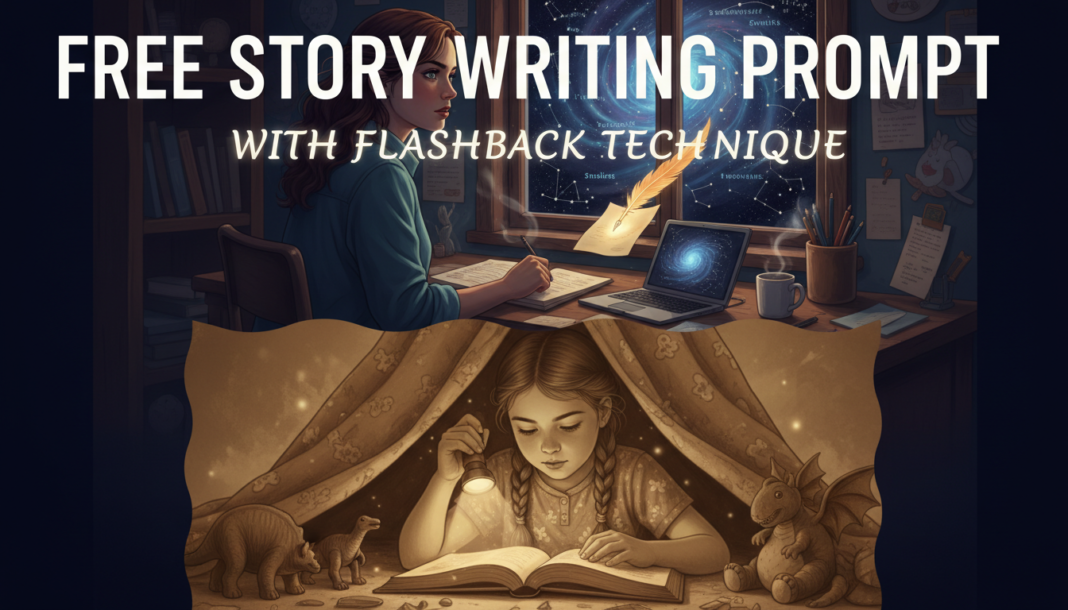
The flashback technique, when mastered, is far more than a simple narrative interjection; it is a surgical tool for dissecting time, building profound tension, and sculpting character arcs with intricate detail. A truly effective flashback serves a deliberate purpose, never existing merely to dump information, but to reveal, complicate, or recontextualize the present narrative. It’s about understanding narrative psychology—how a reader’s mind processes information and anticipates revelations.
To build tension, flashbacks are inherently superior to exposition. Instead of “telling” the reader that a character experienced a traumatic event, a well-placed flashback “shows” it. This visceral experience creates empathy and dramatic irony, as the reader gains knowledge the present-day characters might not yet possess. The timing is crucial: introducing a flashback at a moment of high tension in the present can either offer a moment of respite that then heightens the subsequent return to the present, or it can be a jarring, disorienting dive into the past that explains the present peril. For instance, a character facing a daunting enemy might suddenly recall a childhood lesson from a mentor, not just for practical advice, but to underline the emotional stakes or the character’s core values forged in that earlier time. This creates an anticipation for how the past will influence the future.
Character arcs are profoundly deepened by flashbacks. They provide the “why” behind a character’s current motivations, fears, and strengths. A protagonist’s reluctance to trust, for example, can be traced back to a specific betrayal vividly depicted in a past scene, making their present actions entirely understandable and their journey towards overcoming that trauma more compelling. This technique allows authors to establish a character’s “ghost”—a past unresolved issue that haunts them—and then show its impact on their decisions, relationships, and internal conflicts. World-building also thrives under the flashback lens; rather than dryly describing ancient lore or the genesis of a political conflict, we can witness historical events unfold through the eyes of a past character, making the world feel lived-in and layered.
The “Show, Don’t Tell” principle is paramount here. Instead of stating, “She was haunted by the fire,” craft a scene where she smells smoke in the present and is immediately transported to the crackling flames, the searing heat, and the panicked cries of her past. This doesn’t just inform; it immerses. Flashbacks can be fragmented, dreamlike, or crystal clear, each style serving a different psychological effect. The transition between present and past must be handled with care, often triggered by sensory details, significant objects, or dialogue, ensuring the reader moves seamlessly between timelines without confusion, always aware of the deeper narrative tapestry being woven. It’s the art of revealing just enough, at just the right time, to keep the reader tethered to both the past’s explanation and the present’s unfolding drama, escalating towards a cathartic resolution.
To build tension, flashbacks are inherently superior to exposition. Instead of “telling” the reader that a character experienced a traumatic event, a well-placed flashback “shows” it. This visceral experience creates empathy and dramatic irony, as the reader gains knowledge the present-day characters might not yet possess. The timing is crucial: introducing a flashback at a moment of high tension in the present can either offer a moment of respite that then heightens the subsequent return to the present, or it can be a jarring, disorienting dive into the past that explains the present peril. For instance, a character facing a daunting enemy might suddenly recall a childhood lesson from a mentor, not just for practical advice, but to underline the emotional stakes or the character’s core values forged in that earlier time. This creates an anticipation for how the past will influence the future.
Character arcs are profoundly deepened by flashbacks. They provide the “why” behind a character’s current motivations, fears, and strengths. A protagonist’s reluctance to trust, for example, can be traced back to a specific betrayal vividly depicted in a past scene, making their present actions entirely understandable and their journey towards overcoming that trauma more compelling. This technique allows authors to establish a character’s “ghost”—a past unresolved issue that haunts them—and then show its impact on their decisions, relationships, and internal conflicts. World-building also thrives under the flashback lens; rather than dryly describing ancient lore or the genesis of a political conflict, we can witness historical events unfold through the eyes of a past character, making the world feel lived-in and layered.
The “Show, Don’t Tell” principle is paramount here. Instead of stating, “She was haunted by the fire,” craft a scene where she smells smoke in the present and is immediately transported to the crackling flames, the searing heat, and the panicked cries of her past. This doesn’t just inform; it immerses. Flashbacks can be fragmented, dreamlike, or crystal clear, each style serving a different psychological effect. The transition between present and past must be handled with care, often triggered by sensory details, significant objects, or dialogue, ensuring the reader moves seamlessly between timelines without confusion, always aware of the deeper narrative tapestry being woven. It’s the art of revealing just enough, at just the right time, to keep the reader tethered to both the past’s explanation and the present’s unfolding drama, escalating towards a cathartic resolution.
02. Story Metadata Specs
| Core Theme | Story Writing Prompt With Flashback Technique (Narrative Driven) |
| Pacing Style | Slow-Burn / High-Octane Transition |
| Emotional Anchor | Catharsis & Resolution |
03. The AI Author Toolkit
V1 • The Hero’s Journey Arc
“Act as an award-winning novelist. Write a story about the complex origins revealed through the flashback technique following the Hero’s Journey framework. Focus on the internal conflict of the protagonist, a vivid description of the setting, and a climactic resolution that ties back to the core theme. Use descriptive, sensory language.”
V2 • Suspense & Noir Thriller
“Create a high-tension suspense story involving the strategic use of flashback technique to reveal secrets. Use short, punchy sentences to increase the pace. Start with a mysterious hook and include a major plot twist at the 75% mark. Maintain a dark, atmospheric tone throughout the narrative, where past events directly threaten the present.”
V3 • Emotional Flash Fiction
“Write a 500-word emotional flash fiction piece centered around a poignant memory explored through the flashback technique. Focus on a single pivotal moment between two characters. The dialogue should be subtle but heavy with subtext, revealing the lasting impact of the past. End with a bittersweet realization that leaves the reader reflecting on time and connection.”
04. Implementation & Genres
The versatility of the flashback technique makes it an invaluable tool across a spectrum of genres and content formats, empowering authors to build loyal fanbases by offering rich, layered narratives.
In **Mystery and Thriller**, flashbacks are often the engine of suspense. They can introduce red herrings, gradually reveal fragmented clues about a past crime, or expose a character’s hidden motive. Imagine a detective haunted by a cold case; selective flashbacks can expose his personal connection to the victim, raising the stakes and his internal conflict. For authors, this means serialized blog posts could unveil a new piece of the past with each entry, keeping readers hooked for the next installment.
**Fantasy and Science Fiction** leverage flashbacks for profound world-building. Ancient prophecies, the origins of magical abilities, or the history of a galactic empire can be brought to life, making the world feel tangible and deep. A hero’s unique power might be explained through a flashback to a childhood encounter with a mythical creature, enhancing both character and lore. Ebooks, with their extended length, are perfect for intricate, multi-layered flashback sequences that enrich complex universes.
**Literary Fiction and Drama** use flashbacks to explore the human condition, delving into character psychology and relationships. A present-day conflict between estranged siblings can gain immense emotional resonance when punctuated by flashbacks to shared childhood joys and sorrows, revealing the gradual erosion of their bond. Social media micro-stories could present a character’s current emotional state, followed by a brief, evocative flashback image or text snippet that hints at its origins, sparking discussion and engagement.
Even in **Romance**, flashbacks can reveal the genesis of a deep connection, a past misunderstanding, or the sacrifices made for love, adding depth beyond simple attraction. Regardless of genre, strategic deployment of flashbacks creates a richer, more immersive reader experience. By offering these narrative threads across different platforms—blogs for episodic reveals, ebooks for comprehensive arcs, and social media for poignant glimpses—authors can continuously engage their audience, transforming casual readers into devoted fans anticipating every piece of their unfolding story.
In **Mystery and Thriller**, flashbacks are often the engine of suspense. They can introduce red herrings, gradually reveal fragmented clues about a past crime, or expose a character’s hidden motive. Imagine a detective haunted by a cold case; selective flashbacks can expose his personal connection to the victim, raising the stakes and his internal conflict. For authors, this means serialized blog posts could unveil a new piece of the past with each entry, keeping readers hooked for the next installment.
**Fantasy and Science Fiction** leverage flashbacks for profound world-building. Ancient prophecies, the origins of magical abilities, or the history of a galactic empire can be brought to life, making the world feel tangible and deep. A hero’s unique power might be explained through a flashback to a childhood encounter with a mythical creature, enhancing both character and lore. Ebooks, with their extended length, are perfect for intricate, multi-layered flashback sequences that enrich complex universes.
**Literary Fiction and Drama** use flashbacks to explore the human condition, delving into character psychology and relationships. A present-day conflict between estranged siblings can gain immense emotional resonance when punctuated by flashbacks to shared childhood joys and sorrows, revealing the gradual erosion of their bond. Social media micro-stories could present a character’s current emotional state, followed by a brief, evocative flashback image or text snippet that hints at its origins, sparking discussion and engagement.
Even in **Romance**, flashbacks can reveal the genesis of a deep connection, a past misunderstanding, or the sacrifices made for love, adding depth beyond simple attraction. Regardless of genre, strategic deployment of flashbacks creates a richer, more immersive reader experience. By offering these narrative threads across different platforms—blogs for episodic reveals, ebooks for comprehensive arcs, and social media for poignant glimpses—authors can continuously engage their audience, transforming casual readers into devoted fans anticipating every piece of their unfolding story.
Sample Opening Scene (Simulated)
The obsidian cliffs of Eldoria loomed, a jagged scar against the bruised twilight sky. Kaelen traced the rough-hewn stone of his ancestral sword, the steel cold beneath his trembling thumb. The air thrummed with the distant, mournful cries of the wind-serpents, a sound that always pulled him back. He closed his eyes, and suddenly, the scent of fresh-cut pine filled his nostrils, the warmth of a fire on his face. *“You must remember,”* his father’s voice echoed, rough but kind, as tiny Kaelen struggled with a wooden blade, the forest floor soft beneath his bare feet. *“The past is not a weight, Kael. It is the root from which your strength grows.”* A chill snaked up Kaelen’s spine, dispelling the phantom warmth. He gripped the sword tighter. The strength, if it existed, felt utterly buried beneath the weight of what had happened since that day.