


01. The Art of Narrative Architecture
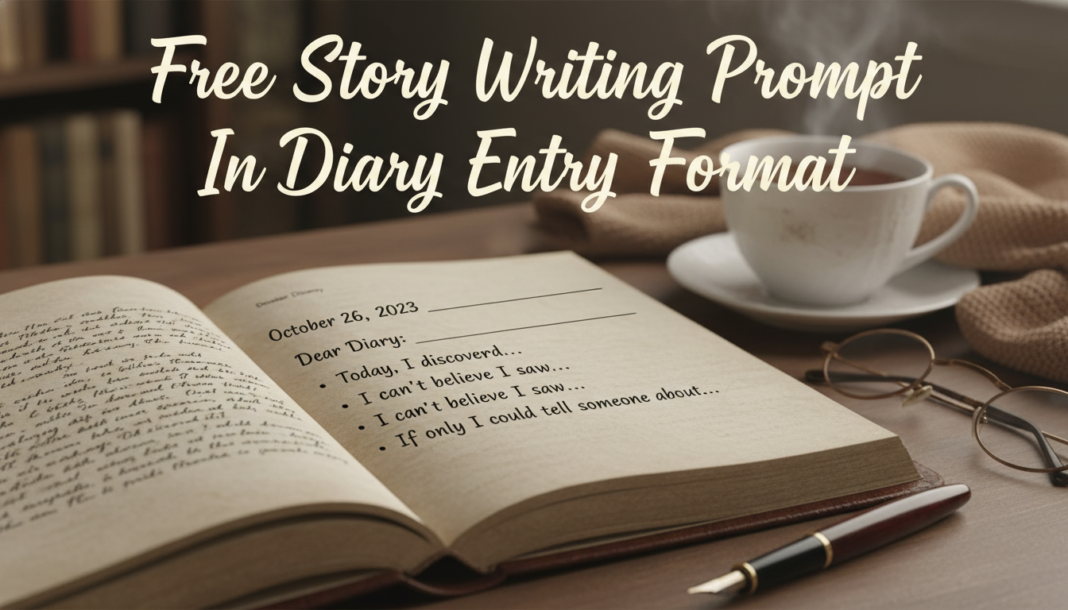
The diary entry format offers a uniquely intimate and powerful lens for storytelling, allowing direct access to a character’s unfiltered thoughts, fears, and observations. To weave a compelling plot within this personal framework, the author must master narrative psychology, transforming raw confessions into structured tension and meaningful character evolution.
Building tension in a diary is a nuanced art. Unlike traditional third-person narratives where external conflict often drives suspense, tension here frequently simmers beneath the surface, manifest in the diarist's changing tone, growing paranoia, or unspoken dread. Begin with entries that establish a sense of normalcy, a mundane routine, before subtly introducing elements of discord. A peculiar neighbor, a recurring dream, a misplaced object, or an unsettling sound – these are the whispers that hint at larger disruptions. The reader experiences the story through the diarist’s subjective perception, often privy to details the diarist dismisses, creating a potent dramatic irony. Withholding information, even from the diarist themselves (perhaps through memory gaps or self-deception), can escalate the reader's unease. Each entry becomes a fragment of a larger puzzle, compelling the reader to piece together the truth alongside, or sometimes ahead of, the narrator.
Character arcs in a diary format are inherently introspective and often profound. The diary serves as a direct chronicle of internal conflict and transformation. The "narrator" *is* the character, reflecting on their experiences, choices, and evolving identity in real-time. Early entries might reveal a naive or steadfast perspective, which gradually erodes or strengthens as events unfold. Show the character’s internal struggle not just through explicit statements, but through changes in their handwriting (if implied), the frequency of entries, their emotional outbursts, or their philosophical ponderings. A character's initial motivations, explicitly stated or subtly hinted at, can be re-examined and challenged over time. Perhaps they begin seeking comfort, only to find themselves pursuing justice; or they start with fear, only to discover an unexpected courage. This raw, unfiltered access to their changing thoughts makes their evolution deeply personal and relatable.
World-building in a diary is achieved through the diarist’s specific observations and interpretations. The setting isn't objectively described; it's filtered through their biases, moods, and immediate concerns. A character living in a dystopian city might describe the oppressive grey architecture, the distant sirens, and the rationing of food from their specific, personal angle, rather than a broad, omniscient overview. This subjective world-building grounds the narrative in a tangible, personal reality. The "Show, Don't Tell" technique is critical, even when writing in the first person. Instead of the diarist stating, "I was terrified," they should record the trembling of their hand as they write, the way their breath hitched, the shadow that seemed to deepen in the corner of their room. The reader should *feel* the diarist’s emotions and experience their world through vivid sensory details and visceral reactions, turning an intimate confession into an immersive journey.
02. Story Metadata Specs
| Core Theme | Story Writing Prompt In Diary Entry Format (Narrative Driven) |
| Pacing Style | Slow-Burn / High-Octane Transition |
| Emotional Anchor | Catharsis & Resolution |
03. The AI Author Toolkit
V1 • The Hero’s Journey Arc
“Act as an award-winning novelist. Write a story about Story Writing Prompt In Diary Entry Format following the Hero’s Journey framework. Focus on the internal conflict of the protagonist, a vivid description of the setting, and a climactic resolution that ties back to the core theme. Use descriptive, sensory language.”
V2 • Suspense & Noir Thriller
“Create a high-tension suspense story involving Story Writing Prompt In Diary Entry Format. Use short, punchy sentences to increase the pace. Start with a mysterious hook and include a major plot twist at the 75% mark. Maintain a dark, atmospheric tone throughout the narrative.”
V3 • Emotional Flash Fiction
“Write a 500-word emotional flash fiction piece centered around Story Writing Prompt In Diary Entry Format. Focus on a single poignant moment between two characters. The dialogue should be subtle but heavy with subtext. End with a bittersweet realization that leaves the reader reflecting.”
04. Implementation & Genres
The diary entry format is remarkably versatile, capable of adapting to almost any genre while retaining its core strength: intimacy. In **Mystery/Thriller**, the diary can function as a found document, a victim’s final thoughts, or a detective’s personal log, escalating tension through the diarist’s limited perspective and potential unreliability. The gradual unraveling of events from a subjective viewpoint creates profound suspense. For **Romance**, it allows for raw, unfiltered confessions of love, longing, and heartbreak, detailing the nuanced emotional journey of a relationship from the inside out. In **Fantasy or Sci-Fi**, a diary can be an explorer’s log of an alien planet, a scientist’s record of forbidden experiments, or a survivor’s journal in a post-apocalyptic world. This grounds fantastical elements in personal experience, making them more tangible and immediate. Even in **Historical Fiction**, a diary offers a first-hand account, humanizing grand events through the eyes of an ordinary (or extraordinary) individual.
Beyond genre, the diary format excels in building a loyal fanbase across various digital platforms. For **blogs**, serializing diary entries can create an ongoing narrative, inviting readers back regularly to uncover the next piece of the story. Each entry acts as a self-contained installment with its own hook and mini-resolution, fostering anticipation. When compiled into **ebooks**, these entries form a cohesive, immersive narrative that rewards deep dives and binge-reading. The personal nature of the format builds a strong, empathetic connection between the reader and the protagonist. On **social media**, short, poignant diary excerpts, character voice snippets, or intriguing cliffhangers can be shared, designed to pique curiosity and drive traffic to longer forms. This strategy effectively leverages the format's inherent appeal for authenticity and vulnerability, transforming casual followers into invested readers who feel a personal stake in the diarist's journey.
Sample Opening Scene (Simulated)
October 14th – The quiet hum of the old refrigerator is the loudest sound in my flat tonight. Another Monday bled into Tuesday, marked only by the emptying of my tea mug and the faint scent of rain on dry asphalt. I should be content. The job is steady, the rent paid, the window overlooking the cobbled street offers the same predictable tableau each dawn. Yet, there’s a rustle in the corners of my mind, a persistent whisper against the quiet. A shadow, perhaps, that wasn’t there yesterday. Or a feeling, deep in my gut, like the world is holding its breath. I pressed my palm against the cool glass tonight, just for a moment, and saw not my reflection, but a flicker of something… else. Absurd, of course. Just tired.