


01. The Art of Narrative Architecture
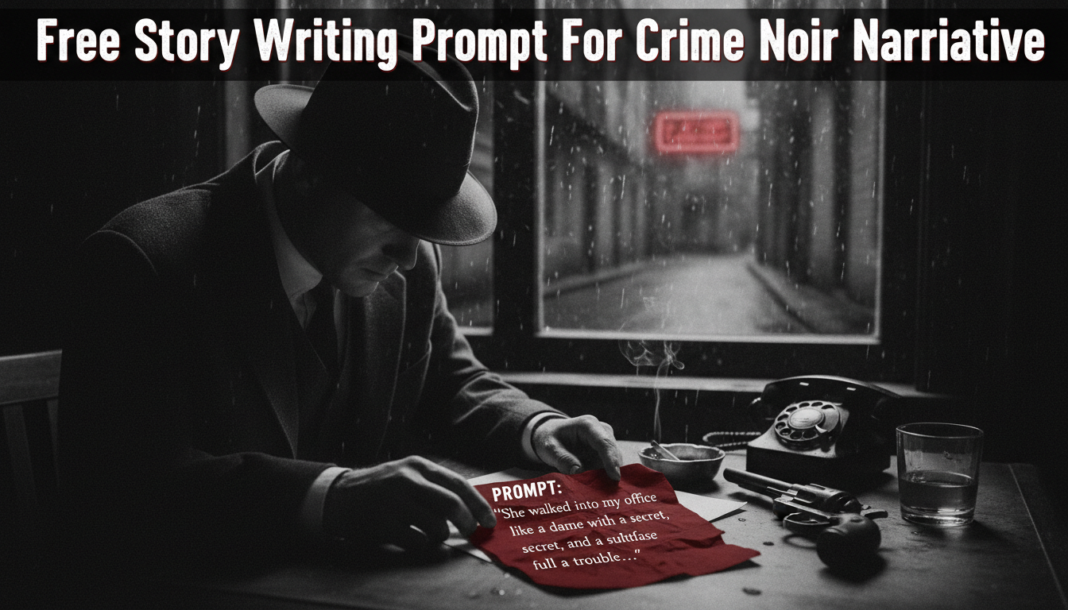
Weaving a compelling Crime Noir narrative demands more than just a mystery; it requires a deep dive into the human psyche and the morally compromised world it inhabits. To build palpable tension, writers must embrace the genre’s inherent fatalism and moral ambiguity. The cityscape itself should be a character – a sprawling, rain-slicked entity where shadows conceal as much as they reveal. Describe the perpetual twilight of its alleys, the neon bleed on wet pavement, the cloying scent of stale cigarette smoke and cheap liquor. This sensory immersion immediately grounds the reader in a world where hope is a fleeting illusion.
Character arcs in Crime Noir are rarely about redemption in the traditional sense. Protagonists, often world-weary detectives or ordinary people caught in extraordinary circumstances, are defined by their internal conflicts. They battle their own cynicism, past failures, and a corrosive sense of justice that often blurs into vengeance. Their journey isn’t a climb to glory, but frequently a descent into the muck, forcing them to confront their own darkness. A character might start with a naive ideal, only to have it shattered by the brutal realities of corruption, leading to a hardened resolve or a tragic fall. Motivations should be primal and visceral: greed, lust, betrayal, desperation, or a twisted code of honor. The femme fatale, a cornerstone of noir, uses her allure to manipulate, driven by survival or ambition, her arc often culminating in destruction, either her own or others’.
The “Show, Don’t Tell” technique is paramount in achieving noir’s signature atmosphere. Instead of stating a character is desperate, describe the tremor in their hands as they light another cigarette, the hollow ache behind their eyes, or the way they avoid mirrors. Don’t tell us the city is corrupt; show a beat cop turning a blind eye for a crumpled bill, a politician making a deal in a smoky backroom, or the subtle shift in a witness’s gaze when a powerful name is mentioned. Dialogue should be sharp, economical, and laden with subtext, each line revealing a sliver of character or advancing the plot without overtly explaining motives. This deliberate pacing, juxtaposing slow-burn dread with sudden bursts of violence or revelation, maintains a constant, underlying tension, drawing the reader deeper into the narrative’s grim embrace until the inevitable, often bittersweet, resolution.
Character arcs in Crime Noir are rarely about redemption in the traditional sense. Protagonists, often world-weary detectives or ordinary people caught in extraordinary circumstances, are defined by their internal conflicts. They battle their own cynicism, past failures, and a corrosive sense of justice that often blurs into vengeance. Their journey isn’t a climb to glory, but frequently a descent into the muck, forcing them to confront their own darkness. A character might start with a naive ideal, only to have it shattered by the brutal realities of corruption, leading to a hardened resolve or a tragic fall. Motivations should be primal and visceral: greed, lust, betrayal, desperation, or a twisted code of honor. The femme fatale, a cornerstone of noir, uses her allure to manipulate, driven by survival or ambition, her arc often culminating in destruction, either her own or others’.
The “Show, Don’t Tell” technique is paramount in achieving noir’s signature atmosphere. Instead of stating a character is desperate, describe the tremor in their hands as they light another cigarette, the hollow ache behind their eyes, or the way they avoid mirrors. Don’t tell us the city is corrupt; show a beat cop turning a blind eye for a crumpled bill, a politician making a deal in a smoky backroom, or the subtle shift in a witness’s gaze when a powerful name is mentioned. Dialogue should be sharp, economical, and laden with subtext, each line revealing a sliver of character or advancing the plot without overtly explaining motives. This deliberate pacing, juxtaposing slow-burn dread with sudden bursts of violence or revelation, maintains a constant, underlying tension, drawing the reader deeper into the narrative’s grim embrace until the inevitable, often bittersweet, resolution.
02. Story Metadata Specs
| Core Theme | Story Writing Prompt For Crime Noir Narrative (Narrative Driven) |
| Pacing Style | Slow-Burn / High-Octane Transition |
| Emotional Anchor | Catharsis & Resolution |
03. The AI Author Toolkit
V1 • The Hero’s Journey Arc
“Act as an award-winning novelist. Write a story about Story Writing Prompt For Crime Noir Narrative following the Hero’s Journey framework. Focus on the internal conflict of the protagonist, a vivid description of the setting, and a climactic resolution that ties back to the core theme. Use descriptive, sensory language.”
V2 • Suspense & Noir Thriller
“Create a high-tension suspense story involving Story Writing Prompt For Crime Noir Narrative. Use short, punchy sentences to increase the pace. Start with a mysterious hook and include a major plot twist at the 75% mark. Maintain a dark, atmospheric tone throughout the narrative.”
V3 • Emotional Flash Fiction
“Write a 500-word emotional flash fiction piece centered around Story Writing Prompt For Crime Noir Narrative. Focus on a single poignant moment between two characters. The dialogue should be subtle but heavy with subtext. End with a bittersweet realization that leaves the reader reflecting.”
04. Implementation & Genres
The versatility of the Crime Noir narrative allows for strategic implementation across various digital formats, each serving to build and engage a loyal fanbase. For **blogs**, writers can serialize chapters, offer “behind-the-scenes” insights into character motivations or world-building, or delve into the philosophical underpinnings of noir. These posts can tease upcoming plot points, establish authorial voice, and provide rich context that deepens reader investment. Short, evocative excerpts can serve as cliffhangers, compelling readers to return for the next installment.
**Ebooks** remain the primary vehicle for full-length Crime Noir novels, novellas, and short story collections. They provide the immersive, uninterrupted reading experience necessary for complex plots and character development. Strategic releases, perhaps beginning with a free novella to hook new readers before directing them to a paid full-length novel, can be highly effective.
For **social media series**, the stark, moody aesthetic of Crime Noir is perfectly suited. Think micro-fiction snippets that hint at a character’s past or a dark secret, visually stunning mood boards featuring rain-slicked cityscapes and trench-coated figures, or brief character profiles that distill their essence into a few compelling lines. Interactive content, such as “Solve the Case” polls or cryptic riddles, can foster a sense of community and direct engagement. Platforms like Instagram, X (Twitter), and Pinterest can be leveraged to share atmospheric visuals and concise, impactful text that builds anticipation. By adapting the core narrative elements of Story Writing Prompt For Crime Noir Narrative to these distinct formats, authors can cast a wider net, attracting diverse audiences and cultivating a devoted following eager to unravel every dark secret and gritty truth.
**Ebooks** remain the primary vehicle for full-length Crime Noir novels, novellas, and short story collections. They provide the immersive, uninterrupted reading experience necessary for complex plots and character development. Strategic releases, perhaps beginning with a free novella to hook new readers before directing them to a paid full-length novel, can be highly effective.
For **social media series**, the stark, moody aesthetic of Crime Noir is perfectly suited. Think micro-fiction snippets that hint at a character’s past or a dark secret, visually stunning mood boards featuring rain-slicked cityscapes and trench-coated figures, or brief character profiles that distill their essence into a few compelling lines. Interactive content, such as “Solve the Case” polls or cryptic riddles, can foster a sense of community and direct engagement. Platforms like Instagram, X (Twitter), and Pinterest can be leveraged to share atmospheric visuals and concise, impactful text that builds anticipation. By adapting the core narrative elements of Story Writing Prompt For Crime Noir Narrative to these distinct formats, authors can cast a wider net, attracting diverse audiences and cultivating a devoted following eager to unravel every dark secret and gritty truth.
Sample Opening Scene (Simulated)
The rain wasn’t a sprinkle; it was a punishment, lashing against the grimy window of my office on the third floor. Every drop seemed to mirror the relentless thrum of dread in my chest. Another Tuesday, another dame with eyes that promised trouble and a story spun from desperation. Amelia Vance, all curves and shadows in her expensive coat, sat across from me, her scent a heady mix of gardenia and fear. She wanted her husband found, but her gaze, shifty as a back-alley deal, screamed she wanted more than that. This city, Noirville, always had a way of pulling you into its tangled threads, and I, Leo Maxwell, was tired of being the knot. Yet, the rent was due, and a man’s gotta eat, even if the meal tastes like regret.