


01. The Art of Narrative Architecture
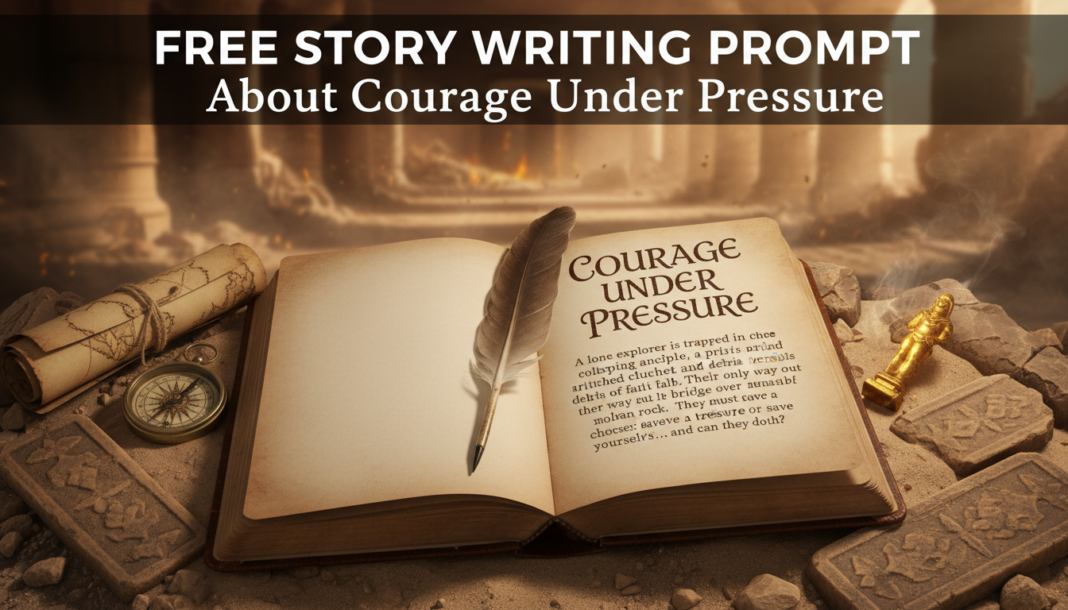
Building tension is paramount. This isn’t just about external threats, but the constant erosion of a character’s self-assurance. Begin by establishing a protagonist who, while capable, might harbor a deep-seated fear or flaw. When the ‘pressure’ arrives—be it a collapsing tunnel, a moral dilemma with catastrophic stakes, or a ticking clock counting down to disaster—their initial reaction should be profoundly human: doubt, panic, or even a desire to flee. This immediate vulnerability makes their eventual courageous act all the more impactful. Gradually escalate the stakes, introduce complications, and remove avenues of escape. Each setback should chip away at their hope, forcing them closer to a breaking point where only genuine courage can prevail.
Character arcs in stories about courage under pressure are transformative. The protagonist must evolve from their initial state of fear or hesitation to someone who actively confronts their challenges. Their motivation is the engine of this journey. Is it loyalty to loved ones? A profound sense of duty? A quest for redemption? The survival instinct? Whatever it is, ensure it’s deeply personal and clearly articulated through their actions, not just internal monologue. For instance, a character protecting their child will exhibit a different kind of ferocity than one upholding a sworn oath, yet both stem from profound conviction.
World-building plays a crucial role in amplifying pressure. A decaying space station with failing life support, a city under siege, or a desolate wilderness during a blizzard each present distinct forms of “pressure.” The environment itself can become an antagonist, pushing characters to their limits and demanding ingenious, courageous responses. Describe the biting cold, the acrid smell of ozone, the deafening silence before an explosion—these sensory details immerse the reader and heighten the perceived threat.
Finally, the cardinal rule: “Show, Don’t Tell.” Instead of telling us the character is scared, describe their trembling hands, the knot in their stomach, the dry catch in their throat. Instead of stating their bravery, illustrate it through their unwavering gaze into the face of danger, the defiant step forward, the selfless act of shielding another. Dialogue should be terse, impactful, laden with subtext that reveals inner turmoil or resolute determination. It is in these visceral, tangible manifestations of fear and fortitude that the true essence of courage under pressure shines through, resonating deeply with the reader and making the narrative unforgettable.
02. Story Metadata Specs
| Core Theme | Story Writing Prompt About Courage Under Pressure (Narrative Driven) |
| Pacing Style | Slow-Burn / High-Octane Transition |
| Emotional Anchor | Catharsis & Resolution |
03. The AI Author Toolkit
04. Implementation & Genres
For ebooks, the potential is vast. A full-length novel allows for deep character development, intricate world-building, and complex plots that truly explore the multifaceted nature of courage. Genres like sci-fi, fantasy, historical fiction, or thrillers can each amplify the pressure in unique ways. A dystopian setting might force quiet defiance, while a wartime epic demands overt heroism. Ebooks allow for a comprehensive journey through fear, struggle, and eventual triumph or bittersweet resolve.
Social media series thrive on concise, impactful storytelling. Short vignettes, micro-fiction, or even interactive polls (‘What would you do in this situation?’) can dramatize moments of courage. Imagine a series of Instagram posts featuring striking images paired with compelling narratives of individuals facing their fears, or TikTok videos enacting short, high-stakes scenarios. This format encourages immediate engagement, shareability, and can serve as an excellent funnel to longer-form content. By consistently delivering stories that evoke strong emotions around bravery, creators can cultivate a dedicated audience drawn to narratives that inspire, challenge, and reflect the human spirit.
Sample Opening Scene (Simulated)