


01. Editorial Vision
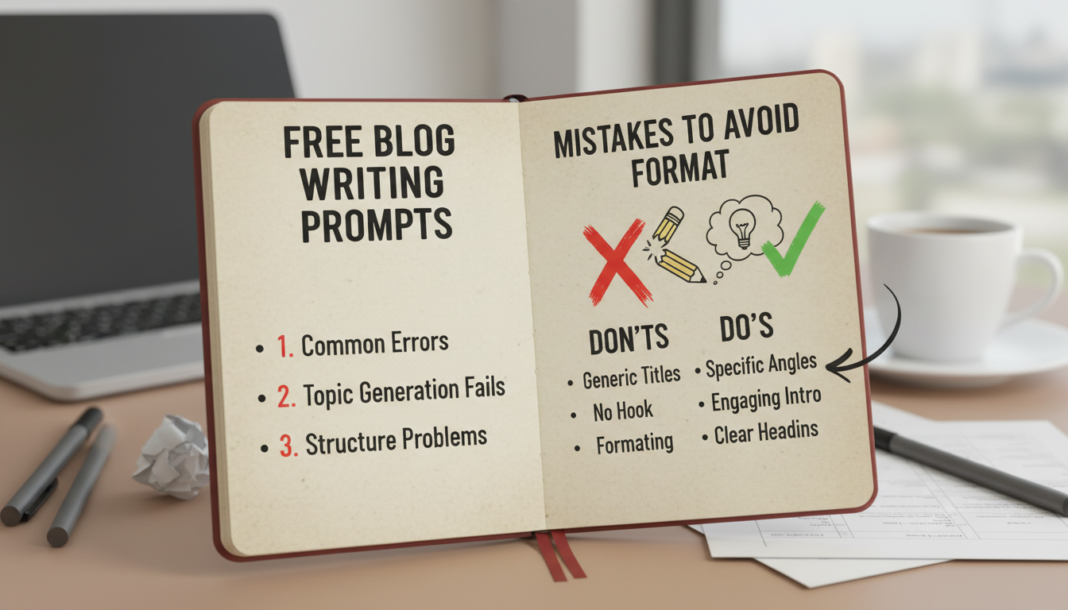
The “Mistakes to Avoid” format is a powerhouse in content strategy, tapping directly into a universal human psychology: the innate desire to prevent failure and minimize risk. Users searching for this type of content are not merely seeking information; they are actively looking for solutions to specific problems they either face currently or anticipate encountering. Their search intent is primarily informational, often bordering on commercial investigation, as they are likely evaluating tools, services, or methodologies that promise to circumvent these very mistakes.
To truly outrank competitors in this niche, a content piece must transcend simple listicles and embrace Google’s E-E-A-T (Experience, Expertise, Authoritativeness, Trustworthiness) framework. **Experience** is paramount; readers want to hear from someone who has either personally navigated these pitfalls or observed them firsthand. This means incorporating anecdotes, case studies, or realistic scenarios that demonstrate a deep understanding of the common blunders. For AI-generated content, this translates into crafting narratives that feel authentic and draw on a vast pool of learned patterns and common user challenges.
**Expertise** requires more than just listing mistakes; it demands explaining *why* they are mistakes and, crucially, providing actionable, expert-backed solutions. The content should cite best practices, industry standards, and data where appropriate. This isn’t just about what *not* to do, but what *to* do instead. **Authoritativeness** is built by consistent quality, linking to reputable external sources, and robust internal linking that positions the piece within a broader knowledge hub on your site. This shows Google your site is a comprehensive resource. Finally, **Trustworthiness** underpins everything. The advice must be sound, unbiased, and transparent. Avoid clickbait; deliver on the promise of valuable, practical guidance.
The emotional hook for “Mistakes to Avoid” content is potent. It preys on fear – the fear of wasted effort, financial loss, reputational damage, or simply looking incompetent. But it also offers hope: the promise of empowerment through knowledge, leading to better outcomes. The tone should be empathetic and understanding, acknowledging the difficulty of the task, yet authoritative and confident in guiding the reader away from danger. It’s about being a helpful mentor, not a condescending critic. By framing content around preventing negative outcomes, we create an urgent, problem-solving narrative that resonates deeply, making the advice more memorable and actionable, ultimately driving stronger engagement and conversion. This format also lends itself well to evergreen content, as fundamental mistakes often persist across different eras and technological shifts, ensuring long-term SEO value.
To truly outrank competitors in this niche, a content piece must transcend simple listicles and embrace Google’s E-E-A-T (Experience, Expertise, Authoritativeness, Trustworthiness) framework. **Experience** is paramount; readers want to hear from someone who has either personally navigated these pitfalls or observed them firsthand. This means incorporating anecdotes, case studies, or realistic scenarios that demonstrate a deep understanding of the common blunders. For AI-generated content, this translates into crafting narratives that feel authentic and draw on a vast pool of learned patterns and common user challenges.
**Expertise** requires more than just listing mistakes; it demands explaining *why* they are mistakes and, crucially, providing actionable, expert-backed solutions. The content should cite best practices, industry standards, and data where appropriate. This isn’t just about what *not* to do, but what *to* do instead. **Authoritativeness** is built by consistent quality, linking to reputable external sources, and robust internal linking that positions the piece within a broader knowledge hub on your site. This shows Google your site is a comprehensive resource. Finally, **Trustworthiness** underpins everything. The advice must be sound, unbiased, and transparent. Avoid clickbait; deliver on the promise of valuable, practical guidance.
The emotional hook for “Mistakes to Avoid” content is potent. It preys on fear – the fear of wasted effort, financial loss, reputational damage, or simply looking incompetent. But it also offers hope: the promise of empowerment through knowledge, leading to better outcomes. The tone should be empathetic and understanding, acknowledging the difficulty of the task, yet authoritative and confident in guiding the reader away from danger. It’s about being a helpful mentor, not a condescending critic. By framing content around preventing negative outcomes, we create an urgent, problem-solving narrative that resonates deeply, making the advice more memorable and actionable, ultimately driving stronger engagement and conversion. This format also lends itself well to evergreen content, as fundamental mistakes often persist across different eras and technological shifts, ensuring long-term SEO value.
02. Strategic Metadata
| Target Intent | Informational / Commercial Investigation |
| Readability Target | Flesch-Kincaid Grade 8 (Conversational) |
| Core Objective | Zero-Click Search Optimization |
03. The AI Prompt Library
V1 • SEO Pillar Post Architecture
Act as an Elite SEO Content Strategist. Generate a comprehensive pillar article on “[Your Core Topic] – Mistakes to Avoid.” The article must be 2000+ words, optimized for zero-click search, and demonstrate E-E-A-T.
**Instructions:**
1. **Audience & Intent:** Target professionals and advanced beginners seeking to optimize processes and avoid common pitfalls. The intent is high-value informational with implicit commercial investigation (seeking superior methods/tools).
2. **Keyword Integration:** Research and naturally integrate a primary keyword (e.g., “common blog writing errors,” “SEO mistakes to prevent”) and 10-15 long-tail semantic keywords (e.g., “how to avoid keyword stuffing,” “fixing low-quality content,” “best practices for blog headlines”).
3. **Structure:**
* Compelling, problem-aware introduction that hooks the reader and highlights the cost of making these mistakes.
* A distinct section for each “mistake,” presented with a clear H2 heading.
* For each mistake:
* **Problem Description:** Explain the mistake clearly.
* **Why It’s a Mistake:** Detail the negative consequences (e.g., wasted time, poor ROI, damaged reputation).
* **Expert Solution:** Provide actionable, data-backed strategies or best practices to avoid/rectify the mistake.
* **Example/Case Study:** Illustrate with a brief, relevant example.
* A “Pro-Tips” section with advanced insights.
* A strong, solution-oriented conclusion that reinforces the value proposition.
4. **E-E-A-T Elements:**
* Include statistics, research findings, or quotes from recognized industry experts.
* Suggest integrating internal links to relevant supporting articles on your site.
* Suggest 2-3 credible external links to authoritative sources.
* Maintain an authoritative yet empathetic tone.
5. **SEO Best Practices:**
* Suggest a meta title (under 60 characters) and meta description (under 160 characters) that include the primary keyword and convey value.
* Ensure clear, scannable paragraphs and bullet points.
* Advise on image optimization and alt text.
6. **Call to Value:** Conclude by encouraging readers to implement the strategies and explore related resources (e.g., a guide, a service).
**Instructions:**
1. **Audience & Intent:** Target professionals and advanced beginners seeking to optimize processes and avoid common pitfalls. The intent is high-value informational with implicit commercial investigation (seeking superior methods/tools).
2. **Keyword Integration:** Research and naturally integrate a primary keyword (e.g., “common blog writing errors,” “SEO mistakes to prevent”) and 10-15 long-tail semantic keywords (e.g., “how to avoid keyword stuffing,” “fixing low-quality content,” “best practices for blog headlines”).
3. **Structure:**
* Compelling, problem-aware introduction that hooks the reader and highlights the cost of making these mistakes.
* A distinct section for each “mistake,” presented with a clear H2 heading.
* For each mistake:
* **Problem Description:** Explain the mistake clearly.
* **Why It’s a Mistake:** Detail the negative consequences (e.g., wasted time, poor ROI, damaged reputation).
* **Expert Solution:** Provide actionable, data-backed strategies or best practices to avoid/rectify the mistake.
* **Example/Case Study:** Illustrate with a brief, relevant example.
* A “Pro-Tips” section with advanced insights.
* A strong, solution-oriented conclusion that reinforces the value proposition.
4. **E-E-A-T Elements:**
* Include statistics, research findings, or quotes from recognized industry experts.
* Suggest integrating internal links to relevant supporting articles on your site.
* Suggest 2-3 credible external links to authoritative sources.
* Maintain an authoritative yet empathetic tone.
5. **SEO Best Practices:**
* Suggest a meta title (under 60 characters) and meta description (under 160 characters) that include the primary keyword and convey value.
* Ensure clear, scannable paragraphs and bullet points.
* Advise on image optimization and alt text.
6. **Call to Value:** Conclude by encouraging readers to implement the strategies and explore related resources (e.g., a guide, a service).
V2 • Narrative Storytelling Method
Draft a compelling, narrative-driven blog post about “[Your Specific Industry/Role] – Common Mistakes That Cost You Dearly.” The article should be 1200+ words, focusing on emotional resonance and relatability, using storytelling to highlight pitfalls.
**Instructions:**
1. **Opening Hook:** Start with a vivid, relatable scenario or a brief, fictionalized anecdote of someone (e.g., a “Client X” or “New Marketer Sarah”) making one of the core mistakes and experiencing the negative consequences. Create immediate empathy.
2. **Mistake Sections (3-5):** Dedicate a section to each key mistake. Instead of just listing, tell a mini-story or expand on the initial scenario for each mistake, illustrating its impact.
* **Problem Characterization:** Describe the mistake through the lens of a character’s struggle or a common organizational challenge.
* **Emotional & Financial Impact:** Detail the real-world consequences in a way that evokes emotion (frustration, regret, lost opportunity, wasted budget).
* **The Turning Point/Solution:** Introduce the correct approach or solution as a moment of clarity or a strategic pivot, explaining *how* it rectifies the situation.
3. **Tone:** Empathetic, cautionary, yet ultimately uplifting and empowering. Use language that speaks directly to the reader’s potential experiences.
4. **Sensory Details & Imagery:** Use descriptive language to make the narrative more engaging and the consequences more tangible.
5. **Concluding Message:** Wrap up by emphasizing that these mistakes are avoidable with the right knowledge and approach, reinforcing the idea of learning from others’ missteps to achieve success. Encourage a proactive mindset.
6. **Subtle Call to Action:** Guide readers to further resources or a consultation where they can gain personalized insights, framed as preventing future errors.
**Instructions:**
1. **Opening Hook:** Start with a vivid, relatable scenario or a brief, fictionalized anecdote of someone (e.g., a “Client X” or “New Marketer Sarah”) making one of the core mistakes and experiencing the negative consequences. Create immediate empathy.
2. **Mistake Sections (3-5):** Dedicate a section to each key mistake. Instead of just listing, tell a mini-story or expand on the initial scenario for each mistake, illustrating its impact.
* **Problem Characterization:** Describe the mistake through the lens of a character’s struggle or a common organizational challenge.
* **Emotional & Financial Impact:** Detail the real-world consequences in a way that evokes emotion (frustration, regret, lost opportunity, wasted budget).
* **The Turning Point/Solution:** Introduce the correct approach or solution as a moment of clarity or a strategic pivot, explaining *how* it rectifies the situation.
3. **Tone:** Empathetic, cautionary, yet ultimately uplifting and empowering. Use language that speaks directly to the reader’s potential experiences.
4. **Sensory Details & Imagery:** Use descriptive language to make the narrative more engaging and the consequences more tangible.
5. **Concluding Message:** Wrap up by emphasizing that these mistakes are avoidable with the right knowledge and approach, reinforcing the idea of learning from others’ missteps to achieve success. Encourage a proactive mindset.
6. **Subtle Call to Action:** Guide readers to further resources or a consultation where they can gain personalized insights, framed as preventing future errors.
V3 • High-Engagement Viral Listicle
Generate a short, punchy, and highly shareable listicle titled “[Number] Blunders [Your Audience] Must Avoid (Unless You Love Headaches).” The article should be 800+ words, optimized for quick consumption and social sharing.
**Instructions:**
1. **Catchy Headline:** Craft a headline that uses numbers, strong verbs, and an element of shock or humor to grab attention.
2. **Introduction:** A concise, energetic intro that sets the stage by highlighting the pain points these mistakes cause and promising quick, actionable solutions.
3. **Numbered List Format:** Present each mistake as a distinct, numbered item. Aim for 7-12 distinct mistakes.
4. **For Each Mistake (Item):**
* **Bolded, Action-Oriented Subheading:** Clearly state the mistake (e.g., “**Ignoring Mobile Optimization**”).
* **Brief Explanation:** 2-3 sentences explaining the mistake and its immediate negative impact.
* **Quick Fix/Tip:** 1-2 sentences offering a direct, actionable solution. Use bullet points or short phrases for scannability.
* **”Why This Matters”:** A single, impactful sentence or statistic underscoring the importance of avoiding this mistake.
5. **Visual Suggestions:** Recommend including engaging visuals (e.g., custom graphics, memes) to break up text and enhance shareability.
6. **Conclusion:** A succinct, motivating conclusion that encourages readers to share the listicle and apply the tips immediately.
7. **Shareability Focus:** Use strong, active voice. Keep paragraphs short. Ensure the tone is direct, slightly provocative, and highly memorable. Include social sharing prompts.
**Instructions:**
1. **Catchy Headline:** Craft a headline that uses numbers, strong verbs, and an element of shock or humor to grab attention.
2. **Introduction:** A concise, energetic intro that sets the stage by highlighting the pain points these mistakes cause and promising quick, actionable solutions.
3. **Numbered List Format:** Present each mistake as a distinct, numbered item. Aim for 7-12 distinct mistakes.
4. **For Each Mistake (Item):**
* **Bolded, Action-Oriented Subheading:** Clearly state the mistake (e.g., “**Ignoring Mobile Optimization**”).
* **Brief Explanation:** 2-3 sentences explaining the mistake and its immediate negative impact.
* **Quick Fix/Tip:** 1-2 sentences offering a direct, actionable solution. Use bullet points or short phrases for scannability.
* **”Why This Matters”:** A single, impactful sentence or statistic underscoring the importance of avoiding this mistake.
5. **Visual Suggestions:** Recommend including engaging visuals (e.g., custom graphics, memes) to break up text and enhance shareability.
6. **Conclusion:** A succinct, motivating conclusion that encourages readers to share the listicle and apply the tips immediately.
7. **Shareability Focus:** Use strong, active voice. Keep paragraphs short. Ensure the tone is direct, slightly provocative, and highly memorable. Include social sharing prompts.
04. Market Implementation
The “Mistakes to Avoid” content format offers a highly compelling Return on Investment (ROI) across various business objectives. Strategically deployed, it serves as a powerful magnet for high-intent leads. When users search for “mistakes to avoid,” they are self-identifying a problem or a potential risk, making them ideal candidates for solutions your business offers.
**Lead Generation & Qualification:** This format excels at attracting individuals early in their buyer’s journey who are educating themselves. By providing solutions to prevent common errors, a business positions itself as a trusted advisor, naturally drawing these prospects into its funnel. For instance, a SaaS company offering project management software could publish “5 Project Management Mistakes That Kill Deadlines.” Readers who recognize these issues are pre-qualified leads for their software.
**Authority & Brand Building:** Consistently publishing high-quality “mistakes to avoid” content, steeped in E-E-A-T, builds an undeniable brand authority. It demonstrates deep industry knowledge and a genuine desire to help, fostering trust and loyalty. This makes your brand the go-to resource, increasing brand recall and preference when a purchase decision is made.
**SEO & Organic Traffic:** These articles are goldmines for long-tail keywords (e.g., “how to avoid SEO penalties,” “common website design errors”). They target specific pain points, often ranking well in search results and capturing highly relevant organic traffic. The problem/solution structure is also conducive to gaining featured snippets, boosting visibility and zero-click search optimization.
**Sales Enablement & Objection Handling:** Sales teams can leverage these articles to educate prospects, proactively address common objections, and reinforce the value of their solutions. Handing a prospect an article like “The 3 Biggest Mistakes Businesses Make When Choosing CRM Software” can solidify their understanding of why your CRM is superior.
**Customer Success & Retention:** For existing customers, “mistakes to avoid” content can act as proactive support, guiding them to best practices with your product or service, thereby reducing support inquiries and improving user satisfaction and retention. The ROI manifests in lower churn rates and increased customer lifetime value.
**Lead Generation & Qualification:** This format excels at attracting individuals early in their buyer’s journey who are educating themselves. By providing solutions to prevent common errors, a business positions itself as a trusted advisor, naturally drawing these prospects into its funnel. For instance, a SaaS company offering project management software could publish “5 Project Management Mistakes That Kill Deadlines.” Readers who recognize these issues are pre-qualified leads for their software.
**Authority & Brand Building:** Consistently publishing high-quality “mistakes to avoid” content, steeped in E-E-A-T, builds an undeniable brand authority. It demonstrates deep industry knowledge and a genuine desire to help, fostering trust and loyalty. This makes your brand the go-to resource, increasing brand recall and preference when a purchase decision is made.
**SEO & Organic Traffic:** These articles are goldmines for long-tail keywords (e.g., “how to avoid SEO penalties,” “common website design errors”). They target specific pain points, often ranking well in search results and capturing highly relevant organic traffic. The problem/solution structure is also conducive to gaining featured snippets, boosting visibility and zero-click search optimization.
**Sales Enablement & Objection Handling:** Sales teams can leverage these articles to educate prospects, proactively address common objections, and reinforce the value of their solutions. Handing a prospect an article like “The 3 Biggest Mistakes Businesses Make When Choosing CRM Software” can solidify their understanding of why your CRM is superior.
**Customer Success & Retention:** For existing customers, “mistakes to avoid” content can act as proactive support, guiding them to best practices with your product or service, thereby reducing support inquiries and improving user satisfaction and retention. The ROI manifests in lower churn rates and increased customer lifetime value.
Sample AI Generation (V1 Preview)
In the dynamic realm of digital content, a well-crafted blog post can be a powerful catalyst for growth, driving traffic, engaging audiences, and cementing brand authority. Yet, the path to blogging success is often littered with easily avoidable missteps that can derail even the most well-intentioned efforts. From overlooking foundational SEO principles to neglecting audience intent, these common errors not only waste valuable resources but also squander opportunities for meaningful connection and conversion. This comprehensive guide will illuminate the critical mistakes content creators frequently make and, more importantly, equip you with the expert strategies and actionable insights needed to circumvent these pitfalls, ensuring your blog content doesn’t just exist, but truly thrives.