


01. The Art of Narrative Architecture
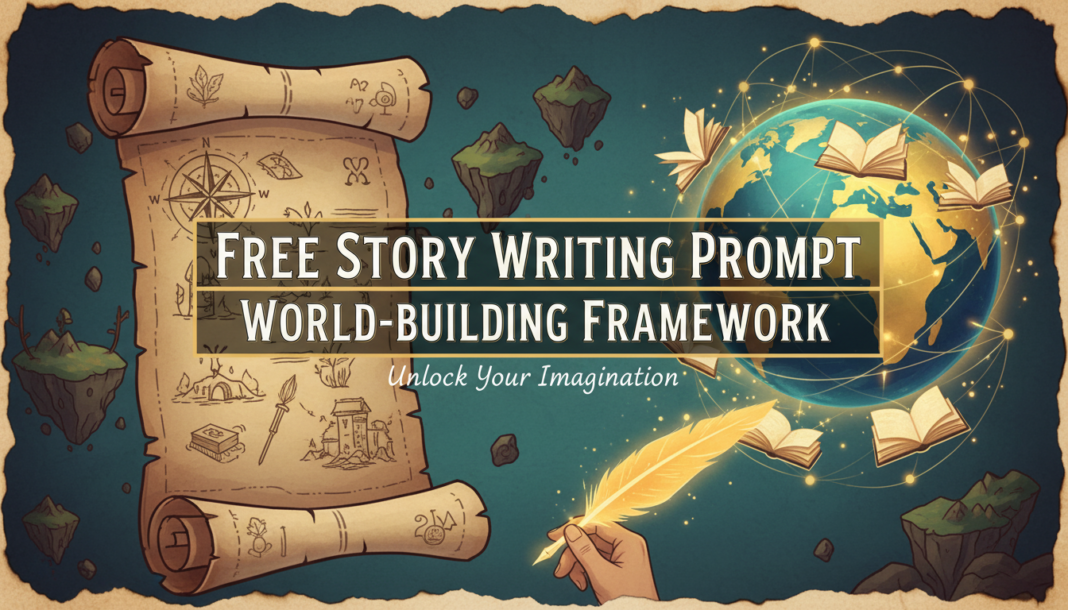
The genesis of any truly captivating narrative often begins with a simple spark – a story writing prompt. Yet, for that spark to ignite a blazing world, it demands a robust worldbuilding framework. This isn’t merely about constructing elaborate backdrops; it’s about infusing every element of your story with a sense of lived reality, making the world an active participant in your plot and character development.
To weave a compelling plot from a prompt, consider the prompt not as a destination, but as a seed. The worldbuilding is the soil, climate, and ecosystem in which this seed must thrive or perish. Start by identifying the core conflict inherent in your prompt. Is it a quest? A mystery? A forbidden love? Once the central conflict is clear, embed it deeply within the fabric of your world. For instance, if your prompt involves a scarcity of resources, let your world reflect this through barren landscapes, strict rationing laws, or desperate, inventive technologies. This immediately builds external tension, a constant pressure on your characters.
Character motivations are inextricably linked to this established world. A protagonist’s desires, fears, and beliefs should be direct consequences of their environment and upbringing within your world’s unique culture, history, and societal norms. Does your world value honor above all else? Then a character’s greatest fear might be disgrace. Is magic a taboo? Then a character secretly possessing powers will carry immense internal conflict and external danger. A well-constructed world provides both the obstacles and the opportunities that drive a character’s choices, forcing them to grow and change. Their arc isn’t just internal; it’s a reaction to, and often an influence upon, the world itself. Their internal struggle to overcome a personal flaw can be mirrored by the world’s resistance to change or its oppressive nature.
Building tension isn’t solely about grand, sweeping events. It’s woven into the very details of your world. The constant hum of an overstressed generator, the scent of fear in a crowded market, the subtle shift in a rival faction’s emblem – these sensory details, rooted in your worldbuilding, contribute to an escalating sense of unease. This brings us to the crucial “Show, Don’t Tell” technique. Instead of narrating that the world is dangerous, show a character checking over their shoulder repeatedly, flinching at unexpected noises, or carrying a concealed weapon as a matter of habit. Reveal the world’s oppressive regime through the hushed tones of its citizens, the omnipresent surveillance drones, or the empty storefronts of banned businesses. The deeper the integration of world and narrative, the more authentic and resonant the story will feel, allowing your readers to not just read about a world, but to experience it. By making the framework tangible, you elevate a simple prompt into a profound narrative journey.
To weave a compelling plot from a prompt, consider the prompt not as a destination, but as a seed. The worldbuilding is the soil, climate, and ecosystem in which this seed must thrive or perish. Start by identifying the core conflict inherent in your prompt. Is it a quest? A mystery? A forbidden love? Once the central conflict is clear, embed it deeply within the fabric of your world. For instance, if your prompt involves a scarcity of resources, let your world reflect this through barren landscapes, strict rationing laws, or desperate, inventive technologies. This immediately builds external tension, a constant pressure on your characters.
Character motivations are inextricably linked to this established world. A protagonist’s desires, fears, and beliefs should be direct consequences of their environment and upbringing within your world’s unique culture, history, and societal norms. Does your world value honor above all else? Then a character’s greatest fear might be disgrace. Is magic a taboo? Then a character secretly possessing powers will carry immense internal conflict and external danger. A well-constructed world provides both the obstacles and the opportunities that drive a character’s choices, forcing them to grow and change. Their arc isn’t just internal; it’s a reaction to, and often an influence upon, the world itself. Their internal struggle to overcome a personal flaw can be mirrored by the world’s resistance to change or its oppressive nature.
Building tension isn’t solely about grand, sweeping events. It’s woven into the very details of your world. The constant hum of an overstressed generator, the scent of fear in a crowded market, the subtle shift in a rival faction’s emblem – these sensory details, rooted in your worldbuilding, contribute to an escalating sense of unease. This brings us to the crucial “Show, Don’t Tell” technique. Instead of narrating that the world is dangerous, show a character checking over their shoulder repeatedly, flinching at unexpected noises, or carrying a concealed weapon as a matter of habit. Reveal the world’s oppressive regime through the hushed tones of its citizens, the omnipresent surveillance drones, or the empty storefronts of banned businesses. The deeper the integration of world and narrative, the more authentic and resonant the story will feel, allowing your readers to not just read about a world, but to experience it. By making the framework tangible, you elevate a simple prompt into a profound narrative journey.
02. Story Metadata Specs
| Core Theme | Story Writing Prompt With Worldbuilding Framework (Narrative Driven) |
| Pacing Style | Slow-Burn / High-Octane Transition |
| Emotional Anchor | Catharsis & Resolution |
03. The AI Author Toolkit
V1 • The Hero’s Journey Arc
“Act as an award-winning novelist. Write a story about Story Writing Prompt With Worldbuilding Framework following the Hero’s Journey framework. Focus on the internal conflict of the protagonist, a vivid description of the setting, and a climactic resolution that ties back to the core theme. Use descriptive, sensory language.”
V2 • Suspense & Noir Thriller
“Create a high-tension suspense story involving Story Writing Prompt With Worldbuilding Framework. Use short, punchy sentences to increase the pace. Start with a mysterious hook and include a major plot twist at the 75% mark. Maintain a dark, atmospheric tone throughout the narrative.”
V3 • Emotional Flash Fiction
“Write a 500-word emotional flash fiction piece centered around Story Writing Prompt With Worldbuilding Framework. Focus on a single poignant moment between two characters. The dialogue should be subtle but heavy with subtext. End with a bittersweet realization that leaves the reader reflecting.”
04. Implementation & Genres
The true power of a comprehensive Story Writing Prompt With Worldbuilding Framework lies in its adaptability across various genres and its potential for multi-platform implementation. A well-developed framework isn’t just for a single novel; it’s a universe waiting to be explored through diverse narrative lenses, each appealing to different reader segments and distribution channels.
Consider the impact of genre:
Consider the impact of genre:
- Fantasy: A prompt here demands a robust magic system, ancient lore, and diverse mythical creatures, all rooted in the world’s geography and history. The worldbuilding explains why the hero is “chosen” or why the dark lord rises.
- Science Fiction: This genre thrives on speculative worldbuilding—advanced technology, alien biologies, and societal structures shaped by scientific progress or calamity. The framework details the scientific rules and their implications.
- Historical Fiction: The worldbuilding framework becomes a meticulous reconstruction of a past era, ensuring historical accuracy in customs, political landscapes, and daily life. The prompt is anchored in verifiable events or societal pressures.
- Thriller/Mystery: The world itself can be the source of tension or a complex web of clues and conspiracies. Worldbuilding here involves establishing the political climate, dark underbellies, or secretive organizations that fuel the suspense.
- Romance: While seemingly character-focused, worldbuilding in romance establishes the social norms, geographic distances, or cultural differences that create obstacles or opportunities for the central relationship.
Each genre leverages the worldbuilding framework to enhance its specific narrative goals, creating different kinds of stories from the same foundational concepts.
Beyond genre, the adaptability of your worldbuilding framework extends to various story formats for fan engagement. A rich world provides endless content for:
- Blogs & Websites: Serialized short stories, lore entries, character profiles, “ask me anything” sessions with fictional inhabitants, or deep dives into the world’s history can build a dedicated audience.
- Ebooks & Novellas: Standalone stories within your shared world, prequels focusing on minor characters, or novellas exploring specific historical events can serve as entry points for new readers or bonus content for loyal fans.
- Social Media Series: Micro-fiction, “world fact” snippets, visual mood boards, or interactive polls asking readers to shape minor world details can foster a highly engaged, loyal fanbase, turning passive readers into active community members.
By diversifying your output across these formats, you don’t just tell a story; you build a living, breathing universe that readers can continually explore.
Sample Opening Scene (Simulated)
The wind, a ghost’s lament, clawed at Elara’s cloak, whipping grit into her eyes. Below, the sprawling market of Silverhaven was a muted tapestry of mud-stained canvas and hushed bartering, each transaction weighted by the oppressive pallor of the Ever-Grey sky. She gripped the cold iron of the railing, its rust a familiar comfort against her palm. A faint thrum vibrated from the city’s ancient Clockwork Heart, a monstrous automaton that dictated every rise and fall of the tide-locked economy. Elara yearned for the wild, untamed Whispering Wastes beyond the city walls – a place of freedom, but also of certain death. Her brother’s feverish cough echoed in her mind, a constant drumbeat of helplessness. The city, her cage, offered no cure. But the Wastes… they held whispers of forgotten medicinal herbs, and a desperate, dangerous hope.