


01. The Art of Narrative Architecture
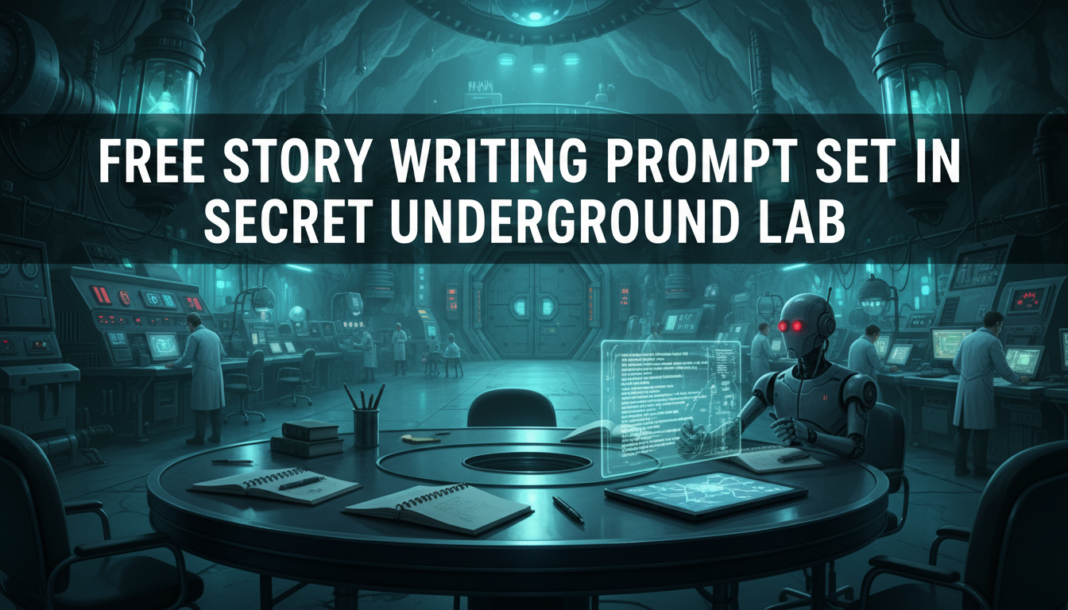
At its heart, the underground lab setting immediately evokes themes of isolation, secrecy, and often, unethical ambition. These elements are fertile ground for building tension. Consider the sensory details: the oppressive hum of unseen machinery, the sterile tang of disinfectant mixed with something metallic and acrid, the echoing silence that occasionally breaks with a distant, unidentifiable clank. Describe the flickering fluorescent lights casting long, dancing shadows, hinting at hidden horrors, or the labyrinthine corridors that twist into a suffocating maze. Instead of stating “the lab was dangerous,” show a rusted lever sparking ominously, a sealed door bearing cryptic warning signs, or the chillingly clinical efficiency of a discarded medical apparatus. Each detail, however small, should contribute to the reader’s growing unease, foreshadowing the inevitable conflict.
Character arcs within such a confined, high-stakes environment are naturally accelerated and intensified. The protagonist, whether a reluctant scientist, an accidental intruder, or a captive subject, must embark on a journey of profound internal transformation. Initially, they might be driven by survival, curiosity, or a moral compass that points to escape or exposure. Their motivations should be deeply personal and tested at every turn. For instance, a scientist who discovers the horrifying truth behind their research might grapple with guilt and the desperate need for redemption, forcing them to sabotage their life’s work. This internal conflict—the battle between self-preservation and ethical responsibility—is the engine of their character arc.
World-building in a secret underground lab extends beyond mere blueprints. It involves detailing the lab’s history, its purpose (benevolent gone wrong, or inherently sinister?), its power structure, and the nature of the “secret” it holds. Is it genetic experimentation, advanced weaponry, interdimensional travel, or something entirely alien? The rules of this enclosed world must be consistent, creating a believable framework for the unfolding drama. Who built it? What are the consequences if its secrets are revealed? This foundational lore informs everything from the security protocols to the design of the ventilation shafts.
Finally, “Show, Don’t Tell” is the novelist’s most vital tool here. Instead of telling us a character is terrified, describe the clammy sheen on their skin, the rapid, shallow breaths catching in their throat, the way their eyes dart nervously to every shadow. When describing a monster or a failed experiment, focus on its unsettling movements, its grotesque details, the chilling sounds it emits, and the profound impact it has on the protagonist’s senses and sanity. This immersive approach allows the reader to experience the dread, the claustrophobia, and the desperate hope alongside the characters, making the narrative psychology truly resonate and bringing the secret underground lab to vivid, terrifying life.
02. Story Metadata Specs
| Core Theme | Story Writing Prompt Set In Secret Underground Lab (Narrative Driven) |
| Pacing Style | Slow-Burn / High-Octane Transition |
| Emotional Anchor | Catharsis & Resolution |
03. The AI Author Toolkit
04. Implementation & Genres
Consider the Sci-Fi Thriller genre. A story centered on technological breakthroughs or genetic experiments gone awry in the lab could be serialized as an episodic ebook series, building suspense chapter by chapter. Each installment could end on a cliffhanger, driving readers to the next. Alternatively, for a blog, individual character dossiers or ‘classified reports’ from the lab could be released, offering world-building lore and engaging readers with deeper insights into the setting and its secrets, before compiling them into a full ebook. This approach creates anticipation and a sense of shared discovery.
For a Horror narrative, where the lab houses monstrous entities or psychological torment, a short story collection could thrive on platforms like Wattpad or even be developed into a “found footage” style social media series. Imagine cryptic video logs, chilling audio fragments, or desperate journal entries shared sequentially on Instagram or TikTok, building a cult following around the lab’s terrifying mysteries. A dedicated blog could host “true accounts” or fan theories, fostering community engagement and discussions.
A Mystery/Noir take on the lab, perhaps involving an investigator trapped within its confines, piecing together a conspiracy, lends itself beautifully to an interactive web series or an intricate Alternate Reality Game (ARG). Clues could be scattered across different online platforms, from fake websites to social media profiles, challenging a fanbase to solve the mystery alongside the protagonist. For more traditional formats, an episodic blog series could reveal new layers of the conspiracy each week, culminating in a climactic reveal in an ebook.
Finally, a Drama focusing on the human elements—survivors trapped, moral dilemmas, or the psychological toll of isolation—could be highly effective as a literary ebook or a thought-provoking series of character-driven short stories on a blog. Social media could be used to post character monologues or philosophical questions inspired by the lab’s existence, sparking deeper engagement. By tailoring the genre and format to the desired platform, authors can transform a single compelling prompt into a multi-faceted storytelling experience, forging strong connections with their audience and cultivating a loyal readership eager for the next secret to be unearthed.
Sample Opening Scene (Simulated)