



01. The Art of Narrative Architecture
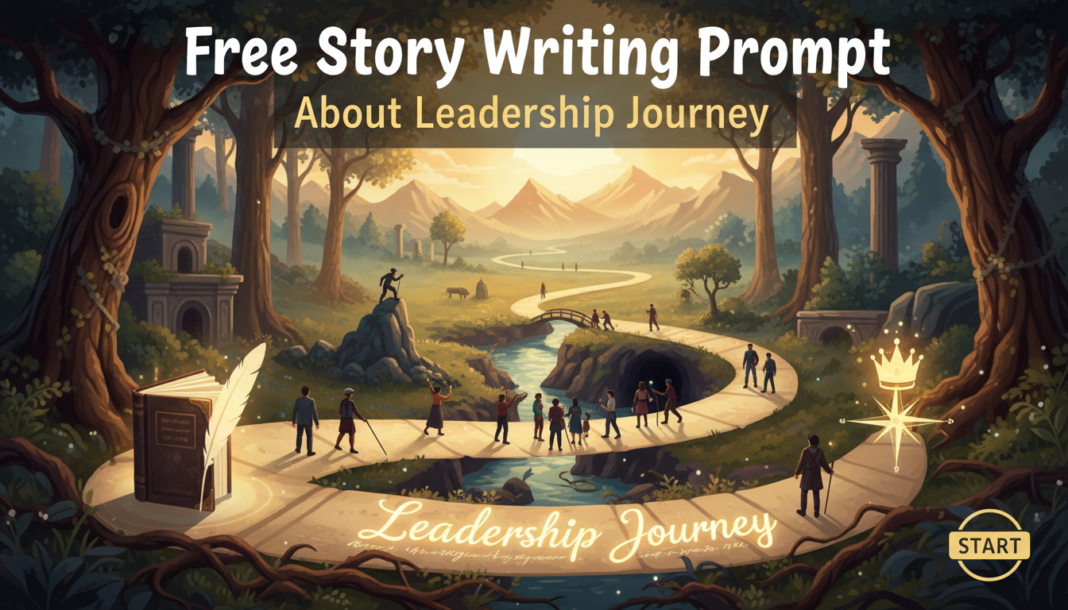
The “Leadership Journey” prompt offers a fertile ground for profound narrative exploration, demanding a careful architecting of character, conflict, and world. To weave this theme into a compelling plot, we must first understand that leadership is not a title, but a transformative process, often born from crisis or an undeniable call.
Central to this journey is the protagonist’s character arc. A true leader doesn’t begin fully formed; they are forged in the crucible of challenges. Begin with a character whose motivations are deeply human, perhaps even flawed. Do they crave power, seek justice, or are they thrust into a role unwillingly? Their initial motivations might be selfish, naive, or driven by fear, providing ample room for growth. Tension arises from the disparity between who they are and who they *must become*. This internal conflict – the struggle with self-doubt, the burden of responsibility, the temptation of easier paths – is far more compelling than any external foe.
Building tension for a leadership journey involves a escalating series of trials. These aren’t just obstacles; they are opportunities for the character to make difficult decisions that define their leadership style and reveal their true nature. The initial trials might be small, testing their resolve or their ability to inspire a small group. As the stakes increase, so does the moral ambiguity of their choices. Will they sacrifice one for the many? Can they bear the weight of failure? Each decision, each setback, should raise the question: *Is this person truly capable of leading?* This constant questioning, both internal and external, hooks the reader.
World-building serves as the critical backdrop against which this journey unfolds. A world in turmoil, facing an existential threat, a social injustice, or a technological revolution, provides the necessary context for leadership to emerge. Describe not just the physical landscape but also the political climate, the societal norms, and the cultural nuances that shape the challenges the leader faces. If the world is oppressive, the leader’s journey might be a rebellion. If it’s fragmented, it might be about unification. Use sensory details to make the world feel lived-in and real, reinforcing the stakes of the leadership struggle.
The “Show, Don’t Tell” technique is paramount here. Instead of stating “she was a strong leader,” *show* her making a tough decision under pressure, *show* her inspiring her followers with a stirring speech, *show* her sacrificing personal comfort for the good of her people. Let dialogue reveal her wisdom, actions demonstrate her courage, and the reactions of others reflect her influence. The character’s evolution, from hesitant novice to decisive commander, must be demonstrated through their interactions, their failures, and their triumphs, making the reader a witness to their transformation rather than just being told about it. This deep immersion in the leader’s internal and external struggles creates a rich, believable narrative arc.
Central to this journey is the protagonist’s character arc. A true leader doesn’t begin fully formed; they are forged in the crucible of challenges. Begin with a character whose motivations are deeply human, perhaps even flawed. Do they crave power, seek justice, or are they thrust into a role unwillingly? Their initial motivations might be selfish, naive, or driven by fear, providing ample room for growth. Tension arises from the disparity between who they are and who they *must become*. This internal conflict – the struggle with self-doubt, the burden of responsibility, the temptation of easier paths – is far more compelling than any external foe.
Building tension for a leadership journey involves a escalating series of trials. These aren’t just obstacles; they are opportunities for the character to make difficult decisions that define their leadership style and reveal their true nature. The initial trials might be small, testing their resolve or their ability to inspire a small group. As the stakes increase, so does the moral ambiguity of their choices. Will they sacrifice one for the many? Can they bear the weight of failure? Each decision, each setback, should raise the question: *Is this person truly capable of leading?* This constant questioning, both internal and external, hooks the reader.
World-building serves as the critical backdrop against which this journey unfolds. A world in turmoil, facing an existential threat, a social injustice, or a technological revolution, provides the necessary context for leadership to emerge. Describe not just the physical landscape but also the political climate, the societal norms, and the cultural nuances that shape the challenges the leader faces. If the world is oppressive, the leader’s journey might be a rebellion. If it’s fragmented, it might be about unification. Use sensory details to make the world feel lived-in and real, reinforcing the stakes of the leadership struggle.
The “Show, Don’t Tell” technique is paramount here. Instead of stating “she was a strong leader,” *show* her making a tough decision under pressure, *show* her inspiring her followers with a stirring speech, *show* her sacrificing personal comfort for the good of her people. Let dialogue reveal her wisdom, actions demonstrate her courage, and the reactions of others reflect her influence. The character’s evolution, from hesitant novice to decisive commander, must be demonstrated through their interactions, their failures, and their triumphs, making the reader a witness to their transformation rather than just being told about it. This deep immersion in the leader’s internal and external struggles creates a rich, believable narrative arc.
02. Story Metadata Specs
| Core Theme | Story Writing Prompt About Leadership Journey (Narrative Driven) |
| Pacing Style | Slow-Burn / High-Octane Transition |
| Emotional Anchor | Catharsis & Resolution |
03. The AI Author Toolkit
V1 • The Hero’s Journey Arc
“Act as an award-winning novelist. Write a story about Story Writing Prompt About Leadership Journey following the Hero’s Journey framework. Focus on the internal conflict of the protagonist, a vivid description of the setting, and a climactic resolution that ties back to the core theme. Use descriptive, sensory language.”
V2 • Suspense & Noir Thriller
“Create a high-tension suspense story involving Story Writing Prompt About Leadership Journey. Use short, punchy sentences to increase the pace. Start with a mysterious hook and include a major plot twist at the 75% mark. Maintain a dark, atmospheric tone throughout the narrative.”
V3 • Emotional Flash Fiction
“Write a 500-word emotional flash fiction piece centered around Story Writing Prompt About Leadership Journey. Focus on a single poignant moment between two characters. The dialogue should be subtle but heavy with subtext. End with a bittersweet realization that leaves the reader reflecting.”
04. Implementation & Genres
The versatile theme of a “Leadership Journey” can be molded into various story formats and genres, each offering unique avenues to engage an audience and build a loyal fanbase. For instance, transforming the prompt into a compelling narrative for a blog series could involve serialized chapters, perhaps focusing on a different “lesson in leadership” with each installment. This episodic approach keeps readers returning, fostering anticipation and community engagement in the comments. Each post could end with a thought-provoking question, encouraging discussion and demonstrating the practical application of leadership principles within the story.
Expanding to an ebook allows for a deeper dive into the protagonist’s psyche and the intricate world-building discussed earlier. This format is ideal for a full-length novel following the Hero’s Journey, providing space for complex character development, multiple subplots, and a satisfying, comprehensive resolution. Promoting the ebook through sneak peeks on social media or offering early access to blog subscribers can leverage the existing fanbase.
For social media, the leadership journey can be distilled into powerful, digestible content. Short vignettes, character profiles highlighting key leadership traits, or impactful quotes from the protagonist can be shared daily or weekly, building intrigue and offering bite-sized inspiration. Even a “choose your own adventure” style series of polls could involve followers in the leader’s decision-making process, creating interactive content.
Different genres profoundly impact the storytelling. In a **Fantasy** setting, leadership might involve wielding ancient magic to unite warring kingdoms, where the leader’s internal struggle is mirrored by epic external battles. A **Sci-Fi** take could explore leadership in a dystopian future, challenging notions of control and freedom, with the protagonist leading a rebellion against a technologically superior foe. **Historical Fiction** offers a chance to re-examine known leaders or invent new ones within a richly researched past, adding authenticity and a sense of weighty responsibility. Finally, a **Contemporary Drama** could depict a leader navigating the complexities of a corporate takeover or a community crisis, focusing on interpersonal dynamics and ethical dilemmas. Each genre allows the core theme of transformation through leadership to resonate in distinct, powerful ways, appealing to different reader tastes and expanding the story’s potential reach.
Expanding to an ebook allows for a deeper dive into the protagonist’s psyche and the intricate world-building discussed earlier. This format is ideal for a full-length novel following the Hero’s Journey, providing space for complex character development, multiple subplots, and a satisfying, comprehensive resolution. Promoting the ebook through sneak peeks on social media or offering early access to blog subscribers can leverage the existing fanbase.
For social media, the leadership journey can be distilled into powerful, digestible content. Short vignettes, character profiles highlighting key leadership traits, or impactful quotes from the protagonist can be shared daily or weekly, building intrigue and offering bite-sized inspiration. Even a “choose your own adventure” style series of polls could involve followers in the leader’s decision-making process, creating interactive content.
Different genres profoundly impact the storytelling. In a **Fantasy** setting, leadership might involve wielding ancient magic to unite warring kingdoms, where the leader’s internal struggle is mirrored by epic external battles. A **Sci-Fi** take could explore leadership in a dystopian future, challenging notions of control and freedom, with the protagonist leading a rebellion against a technologically superior foe. **Historical Fiction** offers a chance to re-examine known leaders or invent new ones within a richly researched past, adding authenticity and a sense of weighty responsibility. Finally, a **Contemporary Drama** could depict a leader navigating the complexities of a corporate takeover or a community crisis, focusing on interpersonal dynamics and ethical dilemmas. Each genre allows the core theme of transformation through leadership to resonate in distinct, powerful ways, appealing to different reader tastes and expanding the story’s potential reach.
Sample Opening Scene (Simulated)
Elara’s fingers trembled as she traced the faded map, the ancient parchment smelling of dust and forgotten hope. Outside her small, crumbling cottage, the wind howled a mournful tune, carrying with it the grit of the Wasted Lands. For generations, their village, Oakhaven, had withered under the Shadow Blight, a slow decay that stole crops and vitality. Elara, a simple herbalist, had always averted her gaze from the despair, focusing on her tinctures and healing balms. But then came the cough, racking her younger brother, Lyra, a sound that mirrored the despair in her own heart. The village elder, with eyes like tired embers, had pressed the map into her hands, whispering of a forgotten spring, deep within the treacherous Whispering Peaks. “You are our only hope, child,” he’d rasped. The words tasted like ash, and the weight of them settled on her shoulders, heavy as stone.