


01. The Art of Narrative Architecture
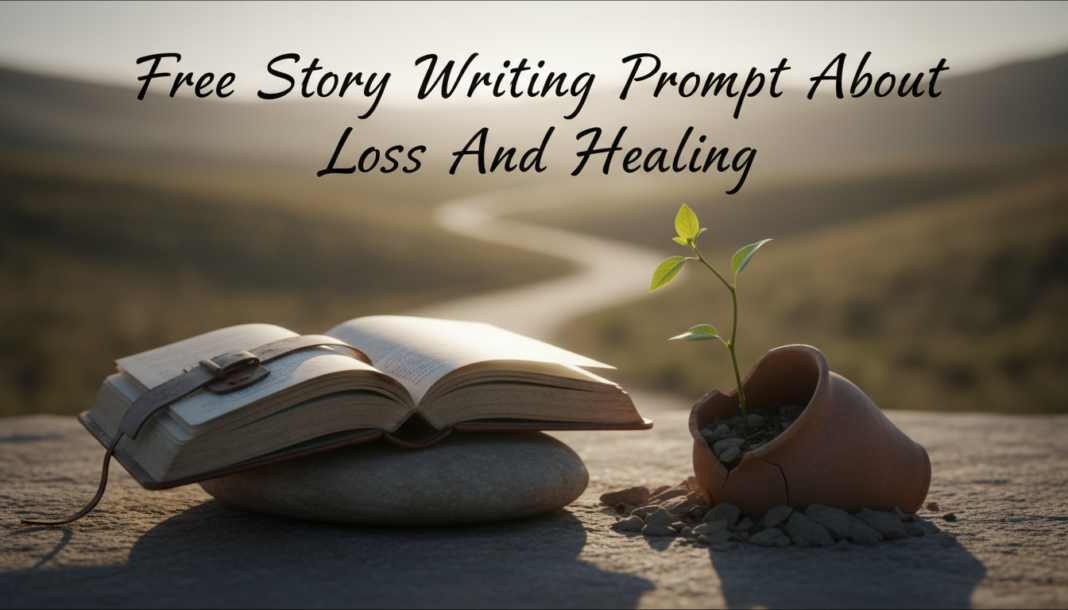
The profound themes of loss and healing form the bedrock of countless compelling narratives, offering fertile ground for deep character exploration and emotional resonance. To weave these themes into a plot effectively, begin by identifying the specific nature of the loss. Is it the sudden void left by a loved one, the shattering of an identity, the destruction of a home, or the disappearance of a dream? This initial wound is your story’s inciting incident, the catalyst that irrevocably alters your protagonist’s world.
Character motivations will initially be driven by grief, confusion, or even denial. They might lash out, withdraw, or try to fill the emptiness with distractions. The "healing" isn't a linear path, but a journey fraught with internal conflict. Your character’s arc should reflect this tumultuous process: from the immediate aftermath of loss, through various stages of grief (not necessarily Kübler-Ross's five, but a personal, messy progression), to a final state of acceptance or transformed identity. Tension isn't just external; it's the protagonist battling their own memories, guilt, survivor's remorse, or the fear of forgetting. External plot points, such as revisiting a significant location, encountering someone connected to the loss, or facing a new challenge that mirrors their internal struggle, can exacerbate this internal tension, pushing the character towards difficult choices.
World-building, even in contemporary settings, should reflect or contrast the protagonist's inner state. A once vibrant home might now feel cavernous and silent, or a bustling city might seem indifferent to their solitary pain. Sensory details are paramount here: the scent of a forgotten perfume, the chill of an empty bed, the discordant notes of a song once shared.
The "Show, Don't Tell" technique is indispensable for themes this delicate. Instead of stating "She was heartbroken," describe the tremor in her hands as she holds a faded photograph, the way her eyes track imaginary movements in the empty room, or the whispered, incomplete sentences she mutters to herself. Rather than "He was slowly recovering," show him taking a small step: sharing a laugh with an old friend for the first time in months, tending to a neglected garden, or revisiting a hobby he’d abandoned. These small, observable actions and reactions allow the reader to witness the subtle, arduous process of healing, making the character’s eventual journey toward catharsis and resolution profoundly impactful and believable. The ultimate goal is not necessarily to "overcome" loss, but to learn to live with it, integrating the memory into a newly defined self.
02. Story Metadata Specs
| Core Theme | Story Writing Prompt About Loss And Healing (Narrative Driven) |
| Pacing Style | Slow-Burn / High-Octane Transition |
| Emotional Anchor | Catharsis & Resolution |
03. The AI Author Toolkit
V1 • The Hero’s Journey Arc
“Act as an award-winning novelist. Write a story about loss and healing following the Hero’s Journey framework. Focus on the internal conflict of the protagonist, a vivid description of the setting, and a climactic resolution that ties back to the core theme. Use descriptive, sensory language.”
V2 • Suspense & Noir Thriller
“Create a high-tension suspense story involving loss and healing. Use short, punchy sentences to increase the pace. Start with a mysterious hook and include a major plot twist at the 75% mark. Maintain a dark, atmospheric tone throughout the narrative.”
V3 • Emotional Flash Fiction
“Write a 500-word emotional flash fiction piece centered around loss and healing. Focus on a single poignant moment between two characters. The dialogue should be subtle but heavy with subtext. End with a bittersweet realization that leaves the reader reflecting.”
04. Implementation & Genres
The themes of loss and healing are universally relatable, making them adaptable across a multitude of story formats and genres, each offering unique ways to engage a loyal fanbase. For **blogs**, personal essays or episodic short stories can explore facets of grief, memory, and recovery, creating an intimate connection with readers who may be navigating similar experiences. These shorter formats are perfect for building a community around shared vulnerability and hope.
**Ebooks and full-length novels** allow for a more expansive and intricate exploration. Here, you can build complex character arcs, delve into rich world-building, and weave in subplots that amplify the core theme. A fantasy novel might see a hero mourn a fallen kingdom, finding healing through the arduous quest to restore it. A science fiction tale could explore genetic memory loss and the arduous process of recovering identity. Literary fiction, of course, thrives on deep psychological dives into the human condition post-trauma.
For **social media series**, micro-fiction, poignant poetry, or character monologues offer bite-sized, impactful content. Using platforms like Instagram or TikTok, these can be paired with evocative visuals to create powerful, shareable moments that hint at larger narratives. This strategy builds anticipation and directs followers to longer works, fostering a devoted audience eager to delve deeper into your storytelling world.
Genre blending further enriches the narrative. A **mystery** could hinge on the protagonist solving a cold case to heal from a past loss, finding closure through truth. A **romance** might see two characters, each scarred by past grief, finding solace and a path forward in each other's embrace. Even **horror** can explore loss, where unresolved grief manifests as a haunting or a psychological descent, with healing found in confronting or escaping the 'monster' of their past. Each genre provides a unique lens through which to examine the difficult, beautiful journey of loss and healing, offering diverse pathways to resonate with different reader preferences and expand your storytelling reach.
Sample Opening Scene (Simulated)
The old house sagged under the weight of winter, much like Elara’s spirit. Dust motes danced in the anemic shafts of morning light piercing the grimy windows, illuminating a decade of untouched sorrow. The scent of cedar and disuse clung to everything, a suffocating blanket woven from memory. Elara traced the outline of a child’s drawing tacked to a wall in the silent hallway—a crayon sun, a lopsided house. It was her daughter, Lily’s, a remnant from a life that felt impossibly distant now. The world outside, a canvas of frosted oaks and brittle branches, seemed to mock her stagnation. Yet, a sliver of stubborn resilience, thin as ice on a puddle, stirred deep within. A faded, anonymous postcard lay on the entry table, depicting a lighthouse on a distant, storm-battered coast. Its unfamiliar beauty whispered of a path yet untrodden, a world still vibrant beyond her grief.