


01. The Art of Narrative Architecture
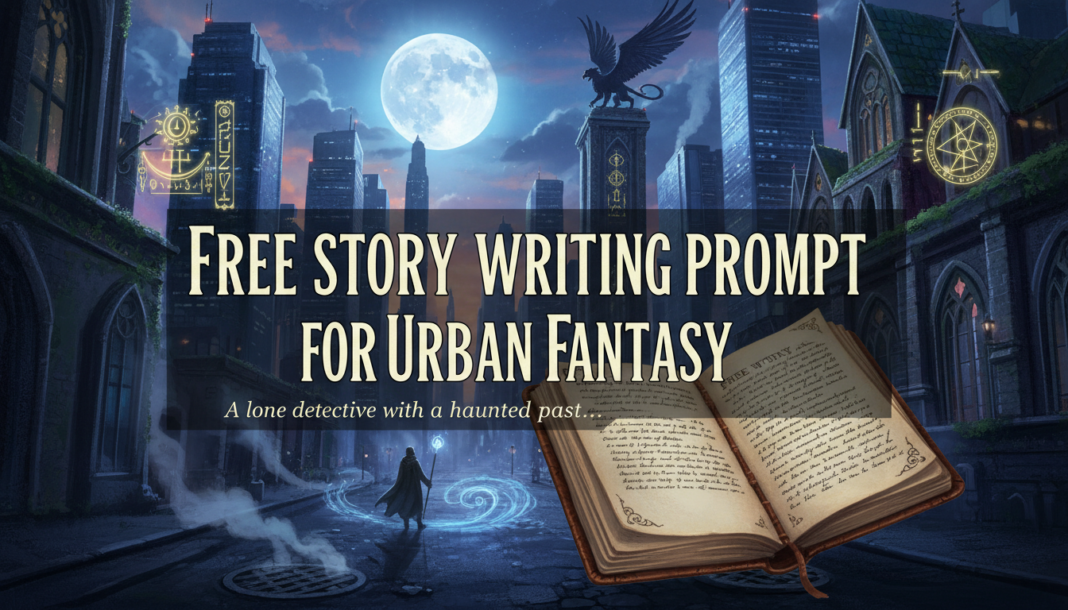
Crafting a compelling Urban Fantasy story requires a delicate balance between the familiar and the fantastical, a precise architectural approach to narrative. The genre thrives on the juxtaposition of mundane cityscapes and the hidden, magical underworld, making the integration of this core theme paramount. To weave this into a truly captivating plot, authors must first establish the “rules” of their urban magic, even if those rules are slowly unveiled. Is magic a secret society’s privilege, an ancient curse bubbling under the asphalt, or a personal burden? This choice dictates the protagonist’s initial relationship with the supernatural and lays the groundwork for their transformative journey.
Character motivations in Urban Fantasy often stem from this clash. A protagonist might be a cynical detective stumbling upon a magical conspiracy, a reluctant heir to an ancient power forced to protect their city, or an outcast seeking sanctuary within a hidden magical community. Their internal conflict—the struggle between their mundane life and the extraordinary demands placed upon them—is the engine of their arc. This could be the yearning for normalcy versus the acceptance of destiny, or the moral dilemma of using dangerous power for good. Build tension by escalating these stakes, threatening not just the protagonist but the fabric of their familiar world. A slow reveal of the true nature of the threat, coupled with mounting personal costs, keeps readers on edge. Each step deeper into the magical underbelly should challenge the protagonist’s beliefs and force them to make increasingly difficult choices, building towards a climactic confrontation that tests their resolve and defines their new identity.
Effective world-building in Urban Fantasy is about blending. Show, don’t tell, the magic lurking in plain sight. Instead of stating “the city was ancient and magical,” describe the moss-covered gargoyles on a modern skyscraper that occasionally shift their stone gaze, or the lingering scent of ozone after a sudden, localized thunderstorm that defies meteorology. Use sensory details: the hum of ley lines beneath subway tracks, the glint of enchanted streetlights, the peculiar silence of a park where ancient spirits gather. This immersion draws the reader in, making the fantastic feel tangible. For instance, rather than saying “she was afraid,” describe her racing pulse, the clammy grip on her enchanted blade, or the way her breath hitched as shadows elongated unnaturally. Through vivid description and action, allow the reader to *experience* the tension and the character’s internal turmoil, anchoring the extraordinary elements within a relatable, lived-in urban setting. The ultimate character arc will see them not just survive the magical world, but integrate it, irrevocably changed by the experience.
Character motivations in Urban Fantasy often stem from this clash. A protagonist might be a cynical detective stumbling upon a magical conspiracy, a reluctant heir to an ancient power forced to protect their city, or an outcast seeking sanctuary within a hidden magical community. Their internal conflict—the struggle between their mundane life and the extraordinary demands placed upon them—is the engine of their arc. This could be the yearning for normalcy versus the acceptance of destiny, or the moral dilemma of using dangerous power for good. Build tension by escalating these stakes, threatening not just the protagonist but the fabric of their familiar world. A slow reveal of the true nature of the threat, coupled with mounting personal costs, keeps readers on edge. Each step deeper into the magical underbelly should challenge the protagonist’s beliefs and force them to make increasingly difficult choices, building towards a climactic confrontation that tests their resolve and defines their new identity.
Effective world-building in Urban Fantasy is about blending. Show, don’t tell, the magic lurking in plain sight. Instead of stating “the city was ancient and magical,” describe the moss-covered gargoyles on a modern skyscraper that occasionally shift their stone gaze, or the lingering scent of ozone after a sudden, localized thunderstorm that defies meteorology. Use sensory details: the hum of ley lines beneath subway tracks, the glint of enchanted streetlights, the peculiar silence of a park where ancient spirits gather. This immersion draws the reader in, making the fantastic feel tangible. For instance, rather than saying “she was afraid,” describe her racing pulse, the clammy grip on her enchanted blade, or the way her breath hitched as shadows elongated unnaturally. Through vivid description and action, allow the reader to *experience* the tension and the character’s internal turmoil, anchoring the extraordinary elements within a relatable, lived-in urban setting. The ultimate character arc will see them not just survive the magical world, but integrate it, irrevocably changed by the experience.
02. Story Metadata Specs
| Core Theme | Urban Fantasy (Narrative Driven) |
| Pacing Style | Slow-Burn / High-Octane Transition |
| Emotional Anchor | Catharsis & Resolution |
03. The AI Author Toolkit
V1 • The Hero’s Journey Arc
“Act as an award-winning novelist. Write a story about an Urban Fantasy setting following the Hero’s Journey framework. Focus on the internal conflict of the protagonist, a vivid description of the setting, and a climactic resolution that ties back to the core theme. Use descriptive, sensory language.”
V2 • Suspense & Noir Thriller
“Create a high-tension suspense story involving Urban Fantasy elements. Use short, punchy sentences to increase the pace. Start with a mysterious hook and include a major plot twist at the 75% mark. Maintain a dark, atmospheric tone throughout the narrative.”
V3 • Emotional Flash Fiction
“Write a 500-word emotional flash fiction piece centered around an Urban Fantasy concept. Focus on a single poignant moment between two characters. The dialogue should be subtle but heavy with subtext. End with a bittersweet realization that leaves the reader reflecting.”
04. Implementation & Genres
The versatile nature of Urban Fantasy allows its core concepts to be adapted across various story formats, each serving a unique purpose in building and engaging a loyal fanbase. For instance, serializing an Urban Fantasy narrative on a personal blog or a webnovel platform can create an immediate, interactive community. Releasing chapters weekly with cliffhangers and direct calls for comments fosters anticipation, allowing readers to theorize and become deeply invested in the developing plot and characters. This format is ideal for long-form storytelling that gradually unveils complex world-building and character arcs, akin to traditional novels but with real-time feedback.
Transitioning to ebooks or published novels allows for a more polished, comprehensive reader experience. Here, the complete narrative can be presented with intricate details, subplots, and character backstories that might be too cumbersome for weekly releases. Ebooks offer a strong revenue stream and establish the author as a credible voice in the genre, providing a deeper dive for readers who discovered the story through shorter formats.
Social media series, on platforms like TikTok or Instagram, offer bite-sized Urban Fantasy narratives. These can be character vignettes, lore drops, short compelling scenes, or even “found footage” style snippets of the magical world interacting with the mundane. This format is excellent for rapid audience growth and attracting new readers who might not commit to a full novel immediately. By offering diverse entry points, from quick social media glimpses to extensive novels, authors can cultivate a multi-tiered fanbase, ensuring widespread engagement and establishing a strong, recognizable brand within the Urban Fantasy genre. Each format complements the others, building a cohesive narrative universe that encourages readers to explore all facets of the created world.
Transitioning to ebooks or published novels allows for a more polished, comprehensive reader experience. Here, the complete narrative can be presented with intricate details, subplots, and character backstories that might be too cumbersome for weekly releases. Ebooks offer a strong revenue stream and establish the author as a credible voice in the genre, providing a deeper dive for readers who discovered the story through shorter formats.
Social media series, on platforms like TikTok or Instagram, offer bite-sized Urban Fantasy narratives. These can be character vignettes, lore drops, short compelling scenes, or even “found footage” style snippets of the magical world interacting with the mundane. This format is excellent for rapid audience growth and attracting new readers who might not commit to a full novel immediately. By offering diverse entry points, from quick social media glimpses to extensive novels, authors can cultivate a multi-tiered fanbase, ensuring widespread engagement and establishing a strong, recognizable brand within the Urban Fantasy genre. Each format complements the others, building a cohesive narrative universe that encourages readers to explore all facets of the created world.
Sample Opening Scene (Simulated)
The city exhaled, a grey sigh of exhaust fumes and damp concrete. Elara clutched her worn satchel, the cheap canvas doing little to shield the arcane artifact throbbing faintly inside. She was just a librarian, yet her hands still trembled from last night’s encounter—the whispering shadows in the alley behind her bookstore, the impossible cold that had seeped into her bones. Her reflection in a rain-streaked bus window showed smudged eyeliner and eyes that had seen too much, too soon. A mundane life, neatly cataloged, had been shattered by a single, shimmering glimpse of something ancient stirring beneath the city’s veneer. How could she go back to quiet evenings with dusty tomes, now knowing what truly slept in the forgotten corners of this concrete jungle? The artifact pulsed again, a silent, insistent call.