
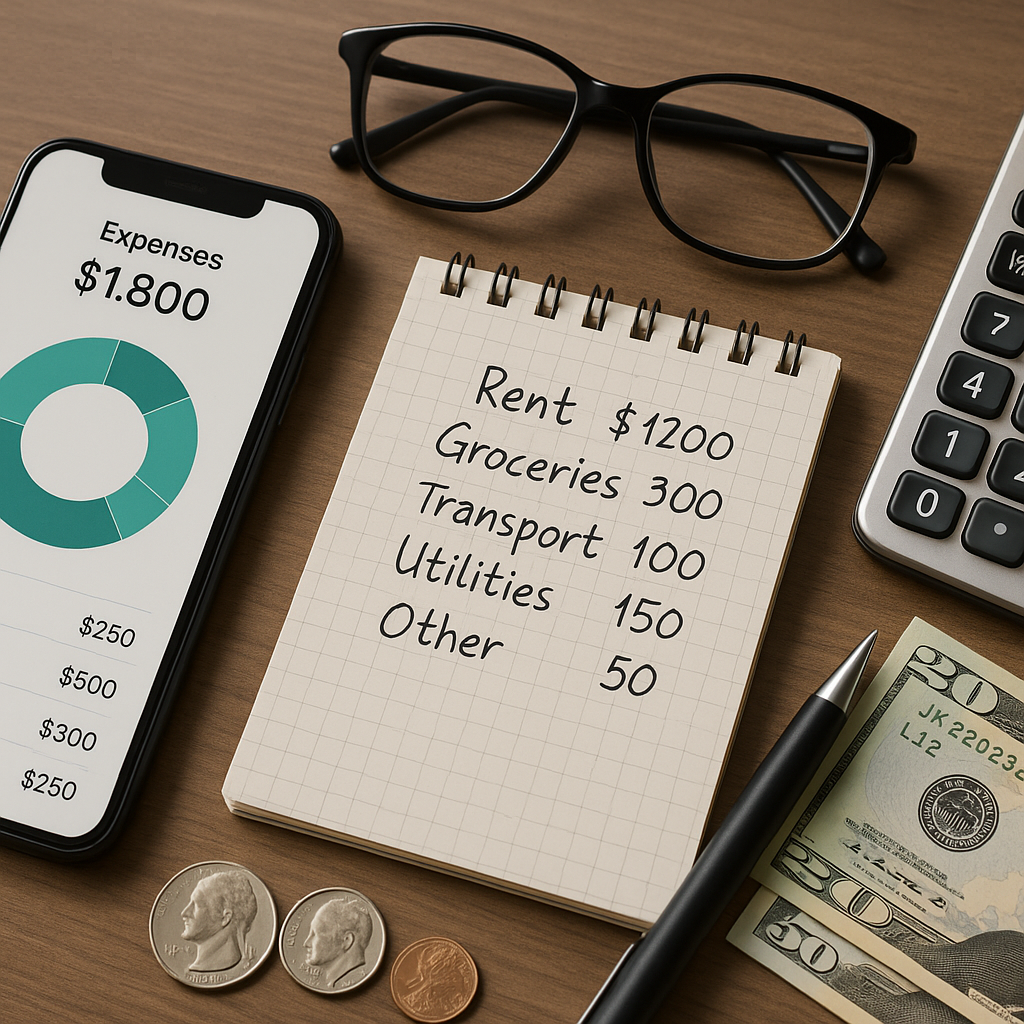

In today’s fast-paced world, managing finances can feel overwhelming, especially for beginners. However, mastering expense tracking is a vital step toward financial stability and saving money. This guide will walk you through the fundamentals of expense tracking, providing practical tips, tools, and strategies to help you take control of your finances.
Understanding Expense Tracking
Expense tracking is the process of recording and monitoring your spending habits. By keeping an accurate account of your expenses, you can identify where your money goes, make informed financial decisions, and ultimately save more. Here are some key benefits of expense tracking:
- Awareness: Gain insights into your spending habits.
- Budgeting: Create a realistic budget based on your actual spending.
- Goal Setting: Set achievable financial goals and track your progress.
- Identifying Waste: Spot unnecessary expenses that can be eliminated.
Getting Started with Expense Tracking
Step 1: Gather Your Financial Information
Before you begin tracking your expenses, collect all relevant financial documents. This may include:
- Bank statements
- Credit card statements
- Receipts for purchases
- Pay stubs and income records
Step 2: Choose Your Tracking Method
There are various methods to track expenses, each with its pros and cons. Here are some popular options:
- Spreadsheets: Use tools like Microsoft Excel or Google Sheets for customizable tracking.
- Expense Tracking Apps: Consider apps such as Mint, YNAB (You Need A Budget), or PocketGuard for automated tracking.
- Paper Journals: For those who prefer a tangible method, a simple notebook can be effective.
Step 3: Categorize Your Expenses
To gain better insights, categorize your expenses into broad groups. Common categories include:
- Housing (rent/mortgage)
- Utilities (electricity, water, internet)
- Groceries
- Transportation (gas, public transport)
- Entertainment (dining out, subscriptions)
- Healthcare (insurance, medications)
Tracking Your Expenses: Practical Tips
Be Consistent
Consistency is essential in expense tracking. Set aside a specific time each week to update your records. This habit will ensure you stay on top of your finances.
Record Every Transaction
From small purchases like coffee to significant expenses like rent, record every transaction. This practice helps you understand your spending patterns better.
Review Regularly
At the end of each month, review your spending. Analyze your data to identify trends, areas for improvement, and potential savings.
Set Realistic Budgets
Using the insights gained from your expense tracking, set a realistic budget. It’s essential to tailor your budget to your unique financial situation. Here’s how to create one:
- Calculate your total income.
- Determine your essential expenses (fixed costs).
- Allocate funds for variable expenses (discretionary spending).
- Save a portion for emergencies and future goals.
Tools and Resources for Expense Tracking
Apps for Expense Tracking
Numerous apps can simplify the expense tracking process. Here are a few popular choices:
- Mint: Offers budgeting tools and tracks expenses automatically by linking your bank accounts.
- You Need A Budget (YNAB): Focuses on proactive budgeting, encouraging users to allocate every dollar.
- Expensify: Ideal for tracking business expenses and generating reports.
Spreadsheets and Templates
If you prefer spreadsheets, many free templates are available online. Search for “expense tracking spreadsheet template” to find options that suit your needs.
Common Mistakes to Avoid
As you embark on your expense tracking journey, keep an eye out for these common pitfalls:
- Neglecting Small Purchases: Small expenses can add up quickly. Ensure you record everything.
- Inconsistent Tracking: Missing entries can lead to an inaccurate picture of your finances.
- Overly Restrictive Budgets: While it’s essential to cut unnecessary expenses, being too restrictive can lead to frustration and burnout.
Frequently Asked Questions (FAQs)
1. How often should I track my expenses?
It’s recommended to track your expenses at least once a week. This frequency helps you stay organized and aware of your spending habits.
2. Can I track expenses without an app?
Yes, you can use a spreadsheet or a simple notebook. The key is to find a method that works for you and remains consistent.
3. What if I forget to record an expense?
If you forget an expense, add it to your records as soon as you remember. Don’t let one missed entry derail your tracking efforts.
4. How do I know if I’m overspending?
Review your expenses regularly and compare them to your budget. If you consistently exceed your budget in certain categories, it may indicate overspending.
5. Is expense tracking worth the effort?
Absolutely! Expense tracking provides valuable insights that can lead to better financial decisions, savings, and overall financial health.
Conclusion
Mastering expense tracking is a crucial step toward financial literacy and saving money. By understanding your spending habits, setting realistic budgets, and using the right tools, you can take control of your finances. Remember, consistency is key. Whether you opt for an app, spreadsheet, or a simple journal, the most important part is to stay committed to tracking your expenses. With diligence and determination, you’ll be well on your way to achieving your financial goals.